

A Double Adjustable Progression Lanyard is a safety device that provides two independently adjustable arms to keep you connected to an anchor while climbing or working at height. TrekkersPK’s version combines durability, EN354 compliance, and a lightweight design to boost both safety and productivity.
💡 Key Takeaways & Summary
- Two adjustable arms let you fine‑tune reach and balance without re‑clipping.
- Polyamide webbing and 22 kN strength meet EN354 standards for reliable fall protection.
- Plastic sheaths protect carabiners and speed up clipping in wet or cold conditions.
- Versatile arm lengths (65 cm and 35 cm) adapt to a wide range of climbing and rope‑access scenarios.
What is a Double Adjustable Progression Lanyard and why does it matter?

The Double Adjustable Progression Lanyard is a type of personal fall‑arrest system that stays attached to an anchor point while you move up or down a rope. Unlike a single‑leg lanyard, it offers two separate arms that can be set to different lengths, giving you more control over your position and reducing the need to stop and readjust.
For climbers and rope‑access workers, this means smoother transitions, less fatigue, and a lower chance of getting stuck in a tight spot.
How do the two independent arms improve safety and efficiency?
Each arm can be lengthened or shortened independently. The longer 65 cm arm lets you reach higher points, while the shorter 35 cm arm provides a stable base when you need to stay close to the anchor.
- Precise positioning: Adjust one arm without disturbing the other, keeping your center of gravity where you want it.
- Reduced swing: Two attachment points create a more stable “double‑leg” configuration, limiting pendulum motion if you slip.
- Faster work flow: Change arm length on the fly, so you spend less time climbing back to the anchor to readjust.
What does the “continuous connection” feature actually do?
Continuous connection means the lanyard stays clipped to the anchor throughout the entire ascent or descent. There’s no moment when you’re completely free‑floating, which dramatically lowers the risk of a free fall.
Because the lanyard never leaves the anchor, the system can absorb the energy of a fall within its 22 kN (kilonewton) breaking strength, keeping you safely suspended until rescue or self‑rescue is possible.
Why are plastic sheaths important?
The integrated plastic sheaths cover the carabiner loops. They serve two main purposes:
- Protection: They shield the carabiners from dirt, ice, and abrasion, extending the life of both the lanyard and the carabiners.
- Ease of clipping: The smooth surface lets you slide carabiners in and out quickly, even with gloves on.
For anyone who works in wet or cold environments, this small detail can make a big difference in speed and reliability.
How does the lanyard meet EN354 standards?
EN354 is the European standard for personal fall‑arrest systems. Compliance guarantees:
- Minimum breaking strength of 22 kN.
- Proper energy‑absorbing characteristics to limit fall distance.
- Rigorous testing of webbing, stitching, and hardware.
Choosing a lanyard that meets EN354, like the one from TrekkersPK, gives you confidence that the gear has passed independent safety checks.
What are the practical length options and how do they fit different tasks?
The lanyard’s two arms are fixed at 65 cm (long) and 35 cm (short). This split design covers most scenarios:
- Climbing routes: Use the longer arm to reach the next bolt while the short arm stays close to the anchor for stability.
- Rope‑access work: The short arm can act as a “handhold” while the long arm reaches a work platform.
- Construction tasks: Adjust the long arm to the height of a scaffold, keeping the short arm as a safety backup.
How does the Double Adjustable Progression Lanyard compare to a single‑leg lanyard?
For most climbers and rope‑access professionals, the extra adjustability outweighs the marginal weight increase.
How to set up and use the Double Adjustable Progression Lanyard safely
- Inspect the webbing, stitching, and carabiners for cuts or corrosion.
- Put on your climbing harness and double‑check all buckles.
- Clip the short arm’s carabiner to a solid anchor point.
- Clip the long arm’s carabiner to the same anchor or a secondary anchor if needed.
- Attach the other ends of both arms to the appropriate D‑rings on your harness.
- Adjust each arm to the desired length before you start moving.
- During ascent, keep the lanyard taut and monitor both arms for any signs of wear.
Always follow the manufacturer’s instructions, perform regular inspections, and receive proper training before using any fall‑arrest equipment.
What other gear works well with the Double Adjustable Progression Lanyard?
Pairing the lanyard with compatible accessories creates a complete work‑at‑height system. Consider the following items from TrekkersPK:
- Carabiner Aviation Aluminum Snap Hook – lightweight and strong for quick attachment.
- Lightweight Aluminum Left Hand Ascender – adds controlled upward movement.
- Dyneema Sling: Ultimate Strength – useful for extending reach or creating temporary anchors.
- Fall Arrest System – integrates the lanyard into a full‑body protection setup.
When might a Double Adjustable Progression Lanyard not be the best choice?
While the double‑leg design offers many advantages, there are scenarios where a single‑leg or a full‑body harness with built‑in lanyard may be preferable:
- Very tight spaces where two arms could snag on protrusions.
- Situations requiring a minimal gear profile, such as certain competition climbs.
- When the user is not trained in managing two independent arms, which could lead to confusion.
What maintenance steps keep the lanyard in top condition?
Regular care extends the life of your lanyard and maintains its safety rating:
- Rinse with fresh water after exposure to salt or mud.
- Air‑dry completely before storage.
- Store in a cool, dry place away from direct sunlight.
- Replace any worn or damaged webbing, stitching, or carabiners immediately.
Is the Double Adjustable Progression Lanyard suitable for beginners?
Yes, as long as the user receives basic training on how to clip, adjust, and inspect the device. The clear length markings and intuitive plastic sheaths make it beginner‑friendly, but supervision is recommended until the climber feels comfortable.

Final thoughts: why choose this lanyard?
The Double Adjustable Progression Lanyard from TrekkersPK blends safety, flexibility, and durability into a single, lightweight piece of equipment. Its two adjustable arms, EN354 compliance, and protective plastic sheaths make it a practical upgrade for anyone who climbs, works at height
Frequently asked questions
How should this gear be inspected before each use?
Always inspect all load-bearing points, stitching, gates, and surface wear before each activity. Retire any gear showing excessive abrasion or deformation.
What is the recommended storage routine?
Store equipment in a cool, clean, dry environment away from direct sunlight, extreme heat, and corrosive chemicals.
Who is this gear best suited for?
It is designed for outdoor enthusiasts, climbers, and professionals seeking reliable performance and safety compliance.
Explore More Field Protocols
Aviation Aluminum Snap Hook Care Guide for Longevity
A complete guide to cleaning, storing, and inspecting your Aviation Aluminum Snap Hook so it stays strong and reliable for years of outdoor adventures.
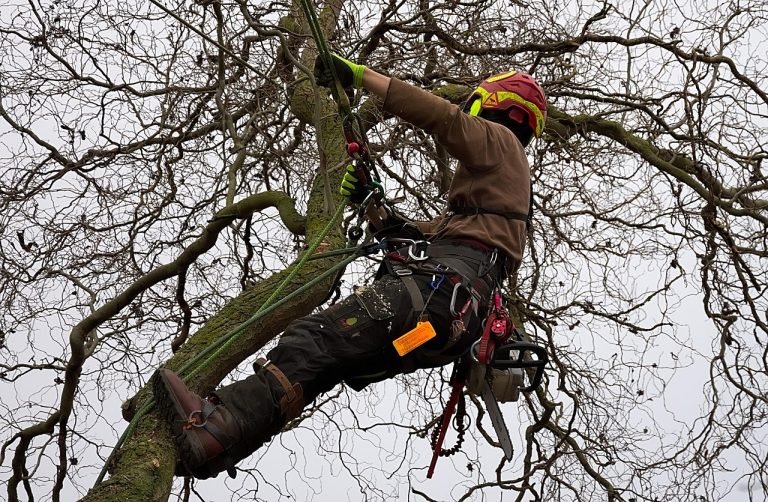
Side Swing Aluminium Pulley vs Other Pulley Types
A detailed guide comparing the Side Swing Aluminium Pulley with other common pulley designs, helping you pick the right tool for climbing, hauling, or rescue tasks.
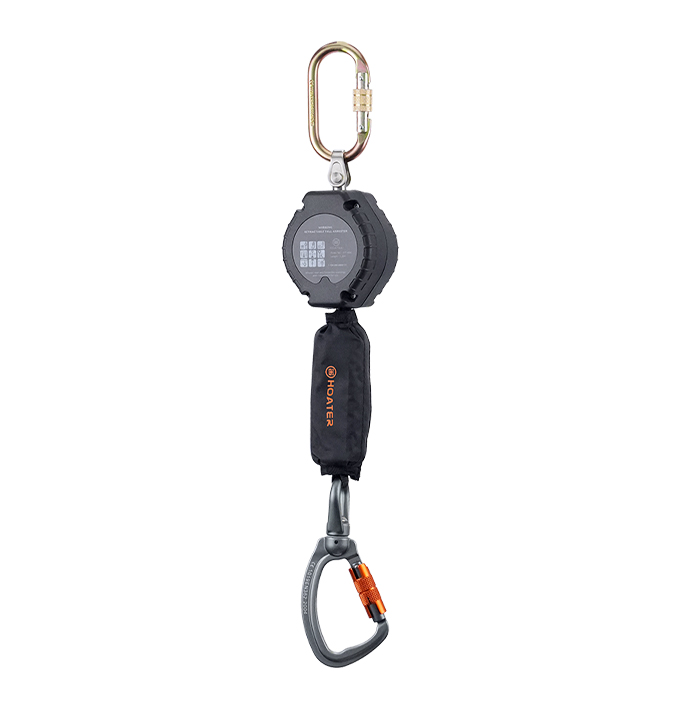
Step‑by‑Step Guide to Using a Fall Arrest System Safely
A practical tutorial that walks you through inspecting, attaching, and operating a Fall Arrest System safely, with tips on maintenance and compatible gear.