

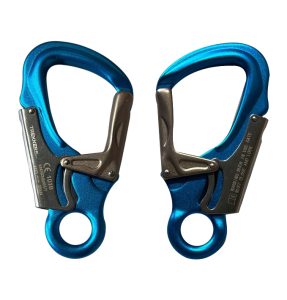
Aviation Aluminum Snap Hook is a lightweight, corrosion‑resistant carabiner designed for climbing and outdoor gear attachment. At TrekkersPK, proper care, cleaning, storage, and regular inspection keep the HT‑H18 performing safely for years.
💡 Key Takeaways & Summary
- Regular visual inspection catches wear before it becomes dangerous.
- Gentle cleaning with mild soap preserves the aluminum’s corrosion‑resistant coating.
- Store in a dry, low‑impact environment to avoid scratches and moisture buildup.
- Follow a simple checklist before each outing to ensure reliability.
Why does regular care matter for an Aviation Aluminum Snap Hook?
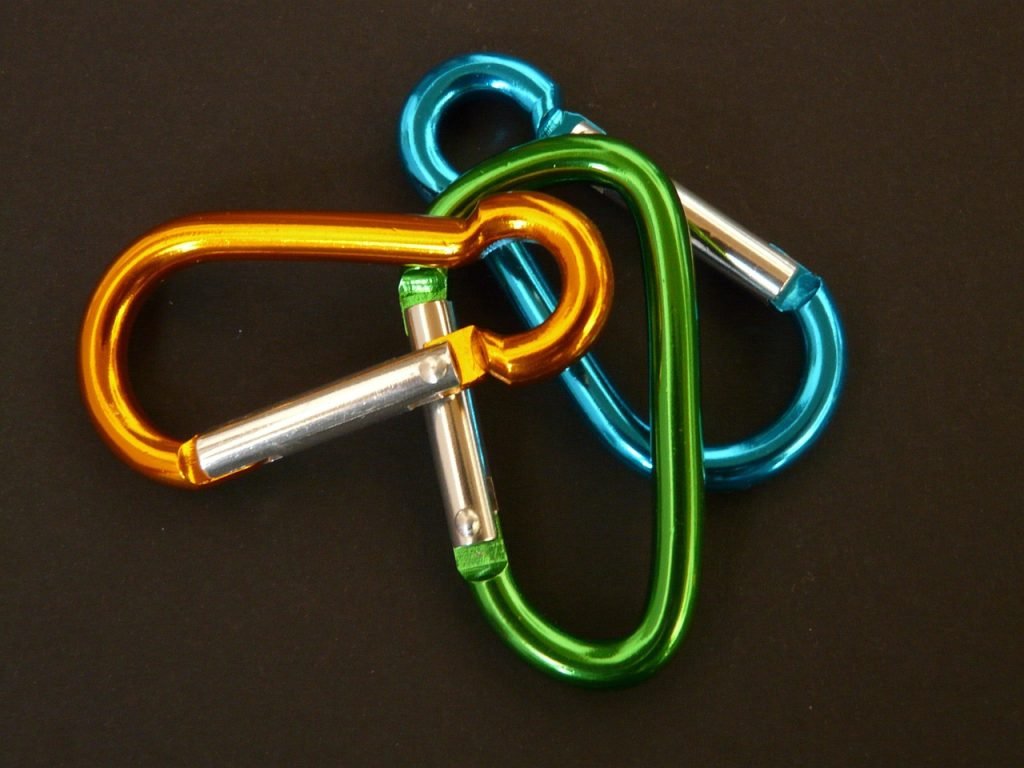
The HT‑H18’s aviation‑grade aluminum gives you strength without excess weight, but like any high‑performance gear, it needs attention. Dirt, salt, and even tiny scratches can compromise the locking mechanism or accelerate corrosion, turning a reliable tool into a safety risk.
How often should you inspect your snap hook?
Inspection isn’t a one‑time task. Adopt a routine:
- Before every use – a quick visual check for obvious damage.
- After each outing – a more thorough examination for wear.
- Every three months (or sooner in harsh environments) – a detailed inspection following the manufacturer’s guidelines.
Key things to look for:
- Cracks or dents in the body.
- Deformation or wear on the gate and locking pin.
- Corrosion spots, especially near the hinge.
- Loose or missing markings that indicate the load rating.
What’s the best way to clean an Aviation Aluminum Snap Hook?
Cleaning removes grit that can jam the lock. Use a gentle approach to protect the coating:
- Rinse with lukewarm water to remove loose debris.
- Apply a few drops of mild dish soap on a soft brush or cloth.
- Scrub the interior of the gate and the latch area gently.
- Rinse thoroughly and shake off excess water.
- Dry with a lint‑free towel; let it air‑dry for a few minutes before storage.
Avoid abrasive pads, strong solvents, or high‑pressure sprays, as they can strip the protective coating.
How should you store the snap hook to maximise its lifespan?
Proper storage protects against moisture, impact, and UV exposure.
- Dry environment: Keep the hook in a moisture‑free pouch or a dedicated gear compartment.
- Separate from sharp edges: Store away from knives, ice axes, or metal straps that could scratch the surface.
- Temperature control: Avoid extreme heat (e.g., car dashboards) which can weaken the lock over time.
- Labeling: If you have multiple hooks, label them with load ratings to prevent accidental misuse.
Can I use any cleaning solution on my snap hook?
Stick to mild, non‑acidic cleaners. A solution of water and a few drops of dish soap is sufficient. For stubborn salt buildup after a sea‑side climb, a diluted vinegar solution (1:10) can help, but rinse thoroughly afterward to prevent any acidic residue.
How does the HT‑H18 compare to steel carabiners in terms of maintenance?
What are the steps for a pre‑climb safety check?
Even if the hook looks fine, a systematic check adds confidence:
- Open the gate fully and feel for smooth movement.
- Engage the lock; ensure it clicks into place and does not wobble.
- Pull the latch with moderate force to confirm it holds under load.
- Check the label for legibility; a faded rating may indicate excessive wear.
- Attach to a test anchor and give it a gentle tug.
Where can I find more detailed usage instructions?
TrekkersPK offers a step‑by‑step tutorial that walks you through attaching and locking the Aviation Aluminum Snap Hook safely. For deeper technical questions, see our Aviation Aluminum Snap Hook FAQs and related gear guides such as the High Strength Dynamic Climbing Rope and Dyneema Sling: Ultimate Strength.
Is it safe to use a snap hook that shows minor scratches?
Surface scratches that do not affect the gate or lock mechanism are generally acceptable. However, any groove that can trap moisture should be inspected closely; if it holds water, consider replacing the hook to avoid hidden corrosion.
What should I do if I notice corrosion?
Light surface corrosion can be removed with a soft brush and a mild alkaline cleaner. After cleaning, apply a thin layer of silicone‑based lubricant to the moving parts. If corrosion has penetrated the metal or affected the structural integrity, retire the hook and replace it.
How can I extend the lifespan of the lock mechanism?
Regularly lubricate the latch with a dry PTFE spray or a few drops of light oil. This keeps the gate moving smoothly and reduces wear on the locking pin.

When should I replace my Aviation Aluminum Snap Hook?
Replace the hook if you observe any of the following:
- Cracks, deep dents, or deformation of the body.
- Lock fails to engage securely after multiple uses.
- Load rating markings are unreadable or worn away.
- Corrosion that cannot be fully removed.
Even with diligent care, gear has a service life. Trust your instincts and prioritize safety.
What safety reminders should I keep in mind?
Always follow the manufacturer’s instructions, perform regular inspections, and seek proper training before using any climbing equipment. A well‑maintained snap hook is a reliable partner, but it is only as safe as the user’s diligence.
⚖️ Quick Verdict & Analysis: Carabiner Aviation Aluminum Snap Hook
✓ Pros & Highlights
- Extremely lightweight compared to steel alternatives.
- Corrosion‑resistant coating handles humid and salty environments.
- Ergonomic design works well with gloves.
⚠️ Key Considerations
- Aluminum can dent more easily under heavy impact.
- Requires regular cleaning to maintain the protective coating.
Frequently asked questions
How often should I lubricate the lock mechanism?
Apply a dry PTFE spray or a drop of light oil after each thorough cleaning, or at least once a month if the hook is used frequently.
Can I use the snap hook in icy conditions?
Yes, but wipe off any ice or snow before locking, and ensure the gate moves freely. Cold can make metal more brittle, so inspect for cracks afterward.
Is it okay to store the hook in a plastic bag?
A breathable pouch is better. Plastic bags can trap moisture, leading to hidden
Photos via Pixabay (JACLOU-DL, Hans, emkanicepic, bridgesward)
Explore More Field Protocols
Side Swing Aluminium Pulley vs Other Pulley Types
A detailed guide comparing the Side Swing Aluminium Pulley with other common pulley designs, helping you pick the right tool for climbing, hauling, or rescue tasks.
Step‑by‑Step Guide to Using a Fall Arrest System Safely
A practical tutorial that walks you through inspecting, attaching, and operating a Fall Arrest System safely, with tips on maintenance and compatible gear.
Using an Aviation Aluminum Snap Hook: Step-by-Step
A clear, step‑by‑step tutorial on inspecting, locking, and attaching the Aviation Aluminum Snap Hook for climbing, camping, and everyday gear safety.