

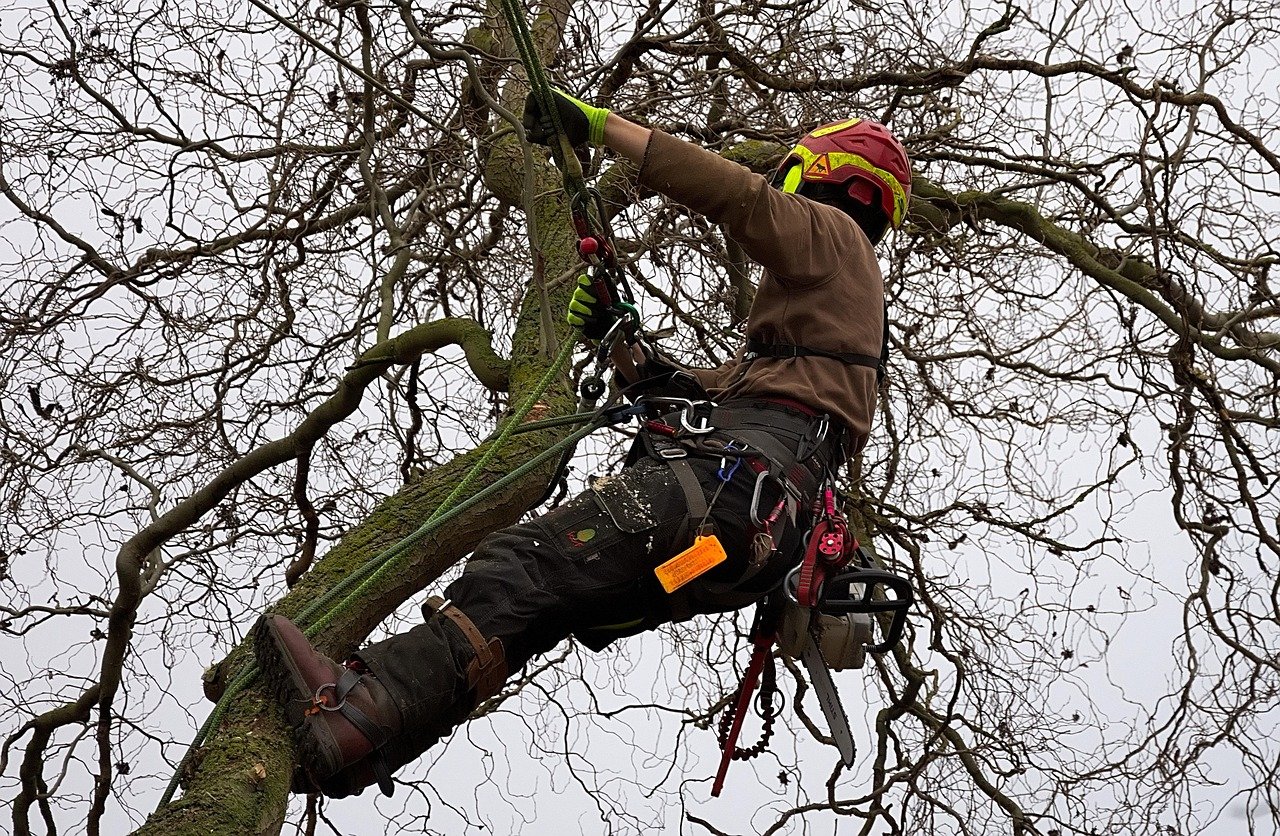
A Side Swing Aluminium Pulley is a lightweight, high‑strength aluminum pulley with side‑swing panels that let you insert or remove the device without fully detaching it from the rope. TrekkersPK’s P03 model offers smooth rotation, low friction, and a high load‑bearing capacity, making it ideal for both recreational climbs and professional rescue scenarios.
💡 Key Takeaways & Summary
- Side swing panels speed up rope changes, a crucial advantage in time‑critical rescues.
- Aluminum construction keeps weight low while still handling high loads.
- Compared with fixed‑eye and cam‑type pulleys, the side‑swing design excels in versatility and quick setup.
What is a Side Swing Aluminium Pulley and how does it work?
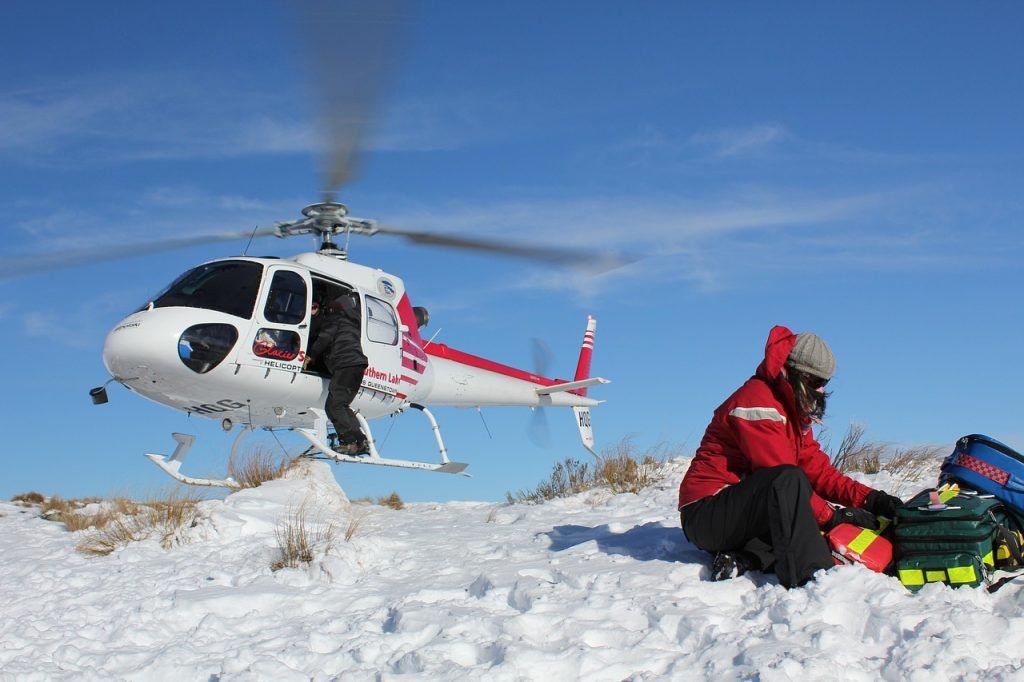
The Side Swing Aluminium Pulley (model P03) is built from high‑strength aluminum and features side panels that swing open for rapid rope insertion. Once the rope is seated on the wheel, the panels close to lock the pulley in place, allowing friction‑free movement while maintaining a secure grip.
This design is especially useful for rescue teams who need to re‑thread a rope quickly without dismantling the entire system.
How does a side‑swing pulley differ from fixed‑eye or cam‑type pulleys?
Understanding the mechanical differences helps you decide which pulley fits your specific need.
While fixed‑eye pulleys are simple and robust, they require the rope to be fully threaded, which can be time‑consuming. Cam‑type pulleys provide mechanical advantage but add weight and complexity.

When should you choose a Side Swing Aluminium Pulley over other options?
Choosing the right pulley depends on three main factors: speed of operation, weight constraints, and the type of load you’ll be moving.
- Time‑critical rescues: The side‑swing panels let you add or remove the pulley without undoing the entire anchor, saving precious seconds.
- Light‑weight expeditions: At just over 100 g, the P03 adds minimal bulk to a climber’s rack, making it ideal for alpine climbs where every gram counts.
- Versatile rope work: Because it accepts a wide range of rope diameters, the pulley can be used for everything from a simple haul line to a complex multi‑rope rescue system.
If you need a pulley that can be quickly swapped while maintaining a secure grip, the side‑swing design is the clear winner.
What are the key factors to consider when selecting a pulley for climbing or rescue?
Beyond the side‑swing feature, evaluate these criteria to ensure safety and efficiency:
- Load rating: Always verify that the pulley’s certified load capacity exceeds the maximum expected force.
- Material durability: Aluminum resists corrosion, but steel may be preferable in abrasive environments.
- Friction level: Low‑friction bearings reduce wear on both rope and pulley.
- Compatibility with other gear: Pair the pulley with a strong dynamic rope (High Strength Dynamic Climbing Rope) and reliable carabiners (Carabiner Aviation Aluminum Snap Hook) for a complete system.
- Ease of inspection: Simple designs are easier to inspect for wear before each use.
For climbers who also use ascenders, the Lightweight Aluminum Left Hand Ascender pairs nicely with a side‑swing pulley, allowing smooth upward movement while managing load.
How do you properly install and maintain a Side Swing Aluminium Pulley?
Correct installation ensures the pulley performs as designed and reduces the risk of failure.
- Inspect the pulley for any signs of wear, especially the side panels and bearing surfaces.
- Open the side panels slowly to expose the wheel.
- Feed the rope through the wheel, ensuring it seats fully on the groove.
- Close the side panels until they lock firmly around the rope.
- Give the rope a few pulls to confirm smooth rotation and that the panels stay closed.
Regularly wipe the aluminum with a clean cloth and re‑lubricate the bearing if you notice increased friction.

What are the common alternatives and why might you still choose them?
Each pulley type has a niche where it excels.
- Fixed‑eye pulleys: Preferred for permanent anchor setups where the rope will not be frequently re‑threaded.
- Cam‑type pulleys: Offer mechanical advantage for hauling heavy
Frequently asked questions
How should this gear be inspected before each use?
Always inspect all load-bearing points, stitching, gates, and surface wear before each activity. Retire any gear showing excessive abrasion or deformation.
What is the recommended storage routine?
Store equipment in a cool, clean, dry environment away from direct sunlight, extreme heat, and corrosive chemicals.
Who is this gear best suited for?
It is designed for outdoor enthusiasts, climbers, and professionals seeking reliable performance and safety compliance.
Photos via Pixabay (HansLinde, LonelyTaws, webandi, Kanenori)
Explore More Field Protocols
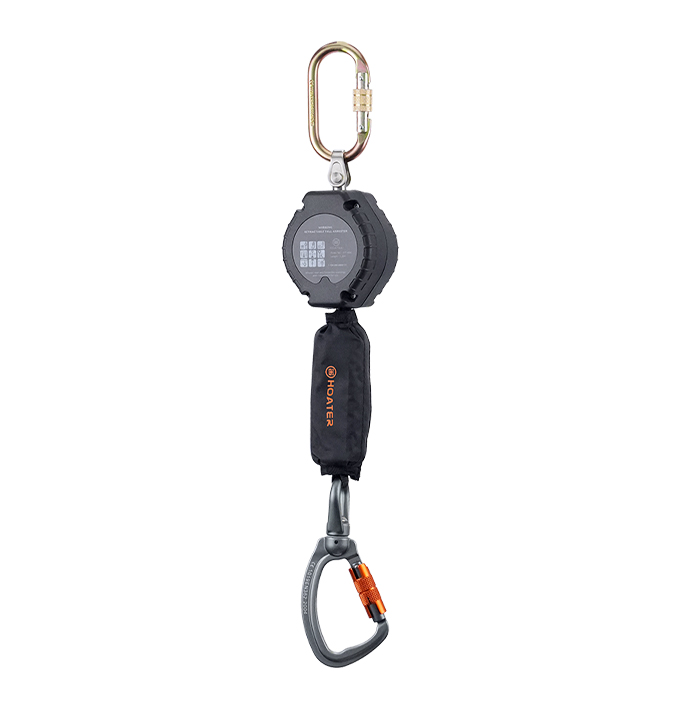
Step‑by‑Step Guide to Using a Fall Arrest System Safely
A practical tutorial that walks you through inspecting, attaching, and operating a Fall Arrest System safely, with tips on maintenance and compatible gear.
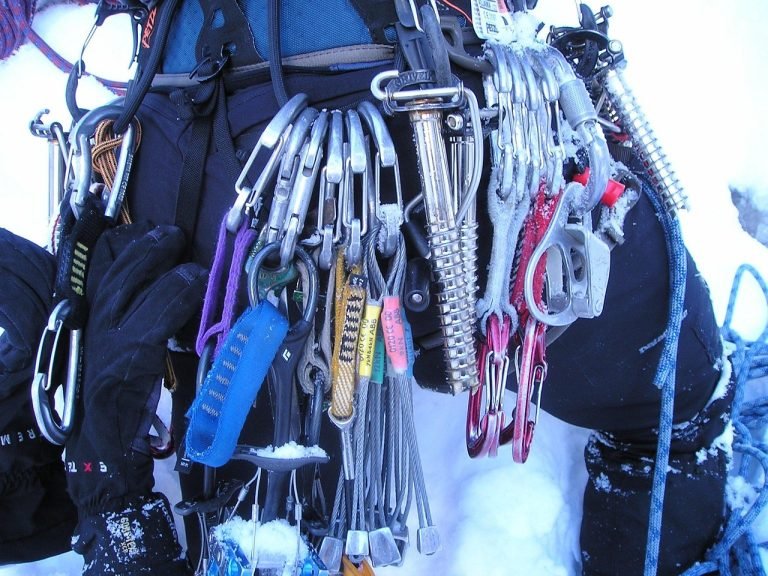
Using an Aviation Aluminum Snap Hook: Step-by-Step
A clear, step‑by‑step tutorial on inspecting, locking, and attaching the Aviation Aluminum Snap Hook for climbing, camping, and everyday gear safety.
Full Body Safety Harness Buying Guide: Choose the Right One
A comprehensive guide to selecting the ideal full body safety harness, covering essential features, fit, and safety tips for climbers and workers alike.