


A full body safety harness is a personal protective equipment system that secures the wearer at the torso and legs to prevent falls from height. TrekkersPK’s Full Body Safety Harness offers adjustable straps, multiple D‑rings, and a 100 kg rated load for reliable protection in climbing and industrial environments.
💡 Key Takeaways & Summary
- Look for robust webbing, high‑strength buckles, and D‑rings rated above 20 kN.
- Choose a harness with adjustable straps for a custom, comfortable fit.
- Verify the number and placement of fall‑arrest attachment points for your specific task.
What Makes a Full Body Safety Harness Essential?
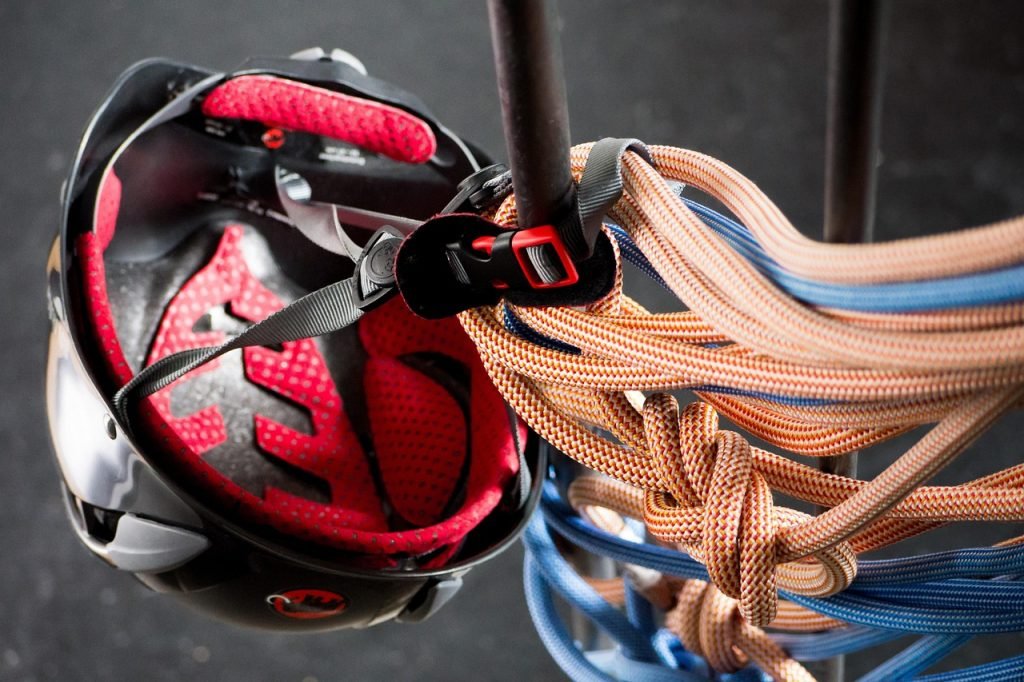
Whether you are scaling a cliff or working on a rooftop, a full body safety harness is the cornerstone of fall protection. It distributes impact forces across the shoulders, hips, and thighs, reducing injury risk during a sudden stop.
How Do You Determine the Right Size and Fit?
Even though many manufacturers label their harnesses as “one‑size‑fits‑all,” proper adjustment is critical. Follow these steps:
- Loosen all straps before stepping into the harness.
- Position the waist strap snugly around the hips—not the stomach.
- Adjust the shoulder straps so they sit comfortably on the shoulders without digging.
- Secure the leg straps just above the knees and tighten until firm but not restrictive.
- Perform a “squat test” to ensure you can move freely without the harness shifting.
TrekkersPK’s Full Body Safety Harness features 45 mm polyester webbing and adjustable buckles that make these adjustments straightforward.
Which Features Should You Prioritize?
Understanding the technical specs helps you match a harness to your activity. Key features include:
- Material durability: Polyester webbing of at least 45 mm width offers abrasion resistance.
- Buckle and D‑ring strength: Look for buckles rated 18 kN and D‑rings at 25 kN.
- Load capacity: A minimum of 100 kg at the ventral point is standard for most applications.
- Attachment points: Front, back, and sternal D‑rings provide versatile anchoring options.
- Work positioning belt: Useful for tasks that require a stable stance at height.
What Types of Full Body Harnesses Exist?
How Does the Harness Integrate with a Fall Arrest System?
A full body harness works in tandem with a fall arrest system (FAS) to stop a fall safely. The FAS includes a rope, a dynamic absorber, and a secure anchor. When a fall occurs, the rope stretches, absorbing energy and reducing the impact force transmitted to the harness.
For a complete setup, consider pairing your harness with TrekkersPK’s Fall Arrest System and a high‑strength dynamic rope such as the High Strength Dynamic Climbing Rope.
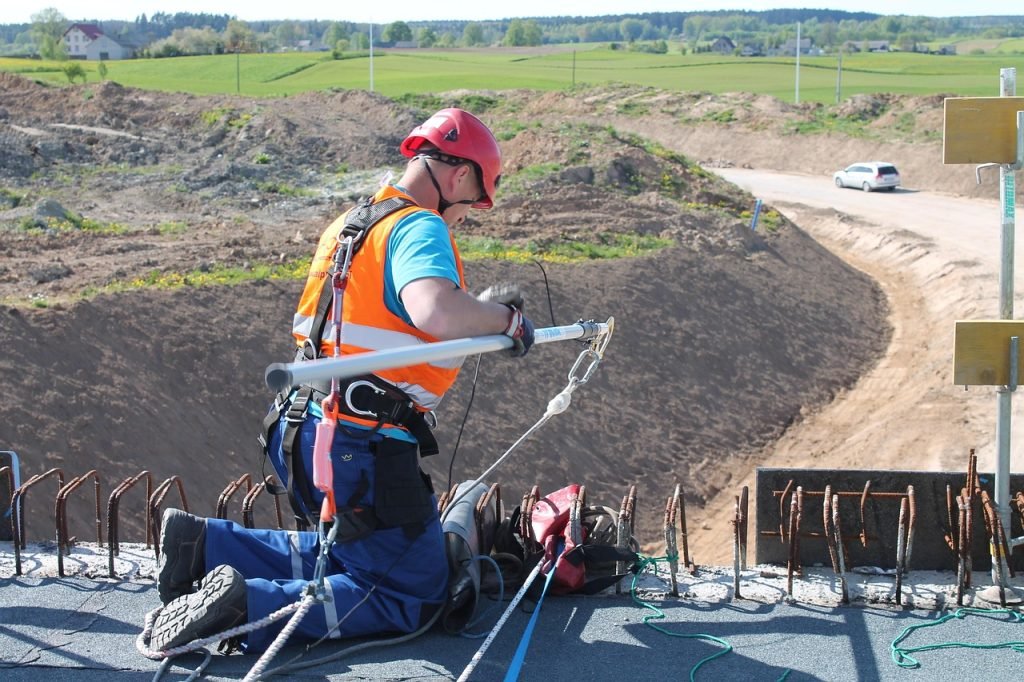
Is It Safe to Use a Harness for Both Climbing and Industrial Work?
Modern full body harnesses are designed for multi‑purpose use, but you should verify compliance with the relevant standards (e.g., EN 361 for climbing, OSHA for industrial). Always inspect the harness for wear, broken stitching, or damaged buckles before each use.
What Are the Common Mistakes to Avoid When Using a Harness?
Even experienced users can slip up. Avoid these pitfalls:
- Skipping the pre‑use inspection.
- Using a harness past its service life (usually 5 years for polyester webbing).
- Relying on a single attachment point for complex maneuvers.
- Neglecting to adjust straps after a long day of work; sweat can loosen them.
For a deeper dive, read our article on Common Beginner Mistakes with a Full Body Safety Harness.
How Do You Maintain and Store Your Harness?
Proper care extends the life of your gear:
- Rinse the harness with fresh water after exposure to salt or chemicals.
- Lay flat to dry away from direct sunlight.
- Store in a breathable bag—avoid compression that can weaken stitching.
- Mark the date of purchase on the webbing; replace after five years.
What Accessories Complement a Full Body Harness?
Enhance safety and convenience with these add‑ons:
- Carabiner Aviation Aluminum Snap Hook for quick connections.
- Climbers Rescue Side Swing Aluminium Pulley for rope management.
- Lightweight Aluminum Left Hand Ascender for upward movement.
When Should You Replace Your Full Body Safety Harness?
Even the toughest harness will degrade over time. Replace it if you notice:
- Frayed or cut webbing.
- Corroded or cracked buckles.
- Excessive wear on D‑rings.
- More than five years of service, regardless of visible condition.
Regular inspection is non‑negotiable for personal safety.
Conclusion: Making the Final Decision
Choosing the right full body safety harness hinges on understanding your specific use case, ensuring proper fit, and verifying strength ratings. TrekkersPK offers a robust, adjustable model that meets both climbing and industrial standards, making it a versatile choice for a wide range of users.
Safety Reminder
Always follow the manufacturer’s instructions, conduct a visual inspection before each use, and receive proper training on fall‑arrest techniques. Your safety depends on both the gear and your knowledge of how to use it correctly.
⚖️ Quick Verdict & Analysis: Full Body Safety Harness
✓ Pros & Highlights
- High‑strength buckles (18 kN) and D‑rings (25 kN) ensure reliable load bearing.
- Adjustable straps provide a customized, comfortable fit for diverse body types.
- Multiple attachment points increase versatility for climbing, positioning, and rescue.
⚠️ Key Considerations
- The “one‑size‑fits‑all” claim may require extensive adjustments for very tall or short users.
- Heavier webbing can add a few extra kilograms compared with minimalist sport harnesses.
Frequently asked questions
What is the maximum weight a full body safety harness can support?
Most full body safety harnesses, including TrekkersPK’s model, are rated for a maximum ventral load of 100 kg, with buckles and D‑rings tested up to 18 kN and 25 kN respectively.
Can I use a climbing harness for construction work?
Yes, if the harness meets the relevant safety standards for both activities and has the necessary attachment points and load ratings required by your workplace.
How often should I inspect my harness?
Inspect your harness before every use for signs of wear, fraying, or damage, and perform a thorough inspection at least once a month if used frequently.
Is it necessary to wear a harness with a work positioning belt?
A work positioning belt adds stability for tasks that require a fixed stance, but it is optional unless your job specifically mandates it.
What training is recommended before using a full body safety harness?
Formal fall‑arrest training
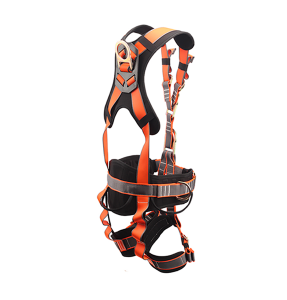
Photos via Pixabay (Alexas_Fotos, TheAndrasBarta, fallprotection, mystraysoul)
Explore More Field Protocols

Double Adjustable Progression Lanyard: Value and Quality
The Double Adjustable Progression Lanyard offers a rare mix of affordability, robust construction, and versatile design, making it a smart investment for anyone who needs reliable fall‑arrest gear without breaking the bank.

Step‑by‑Step Guide to Using a Dyneema Sling Safely
A practical tutorial on setting up, inspecting, and employing a Dyneema Sling for climbing and rigging, ensuring safety and optimal performance.

When to Replace Your Durable PVC Mesh Bag: Signs & Lifespan
Learn the clear signs that your Durable PVC Mesh Bag is past its prime and how long you can expect it to last with proper care.