

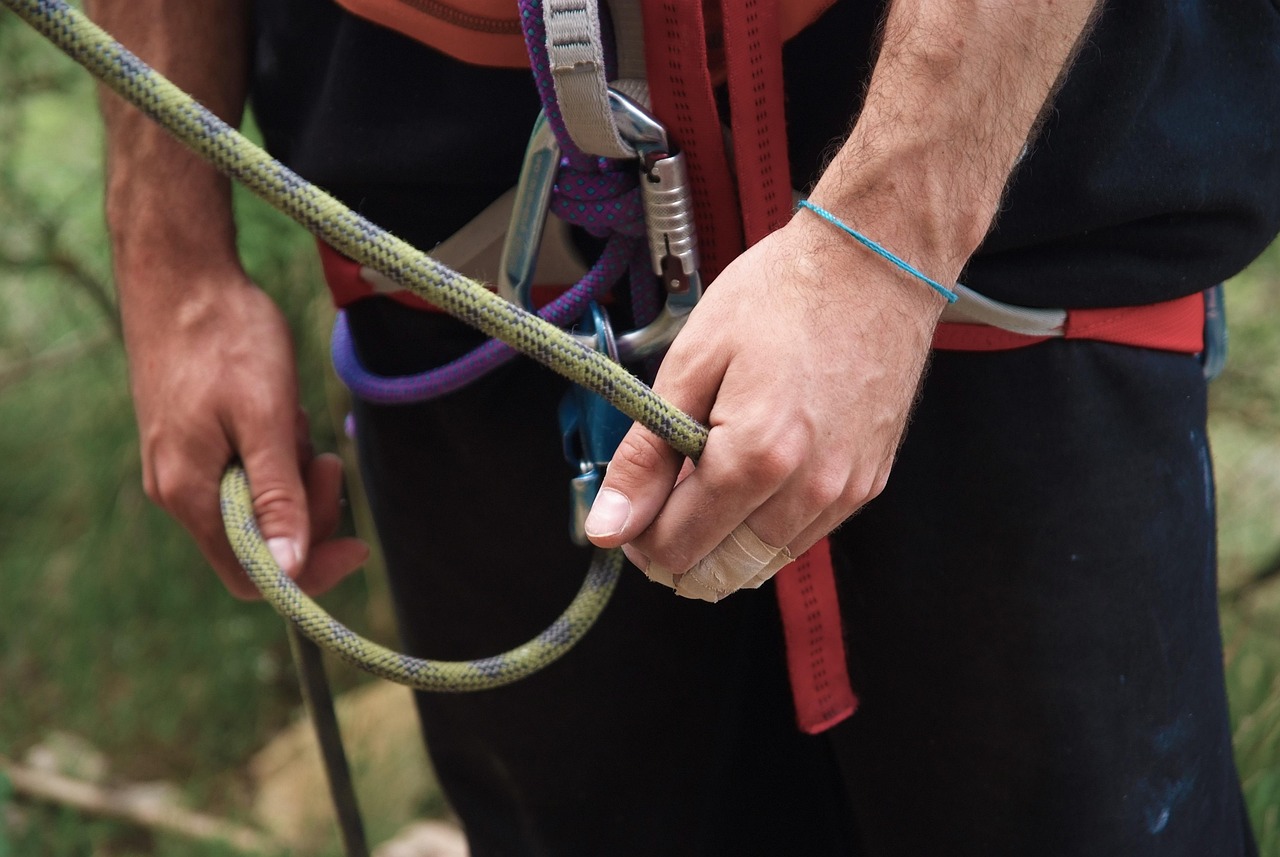
A full body safety harness is a personal protective equipment system that secures the wearer at the torso and legs to prevent falls. TrekkersPK’s full body safety harness provides multiple attachment points and adjustable straps to ensure a safe, comfortable fit for beginners and seasoned users alike.
💡 Key Takeaways & Summary
- Proper adjustment of straps prevents suspension trauma and improves comfort.
- Daily visual inspection catches wear, fraying, or damaged buckles before they fail.
- Understanding attachment points and load ratings is essential for safe fall arrest.
What are the most common beginner mistakes with a full body safety harness?

New climbers and workers often overlook the basics, leading to risky situations. The most frequent errors include:
- Skipping the pre‑use inspection of webbing, buckles, and D‑rings.
- Relying on a “one‑size‑fits‑all” mindset without adjusting straps.
- Attaching the fall arrest line to the wrong D‑ring or using the ventral point for positioning.
- Neglecting to tighten the waist and leg straps, which can cause the harness to shift during a fall.
Addressing these issues early builds confidence and keeps you safe on every ascent.
How do you properly adjust a full body safety harness for a secure fit?
Follow these steps each time you gear up:
- Put the harness on, ensuring the D‑rings are centered on your back and front.
- Fasten the waist buckle, then pull the waist strap snug—allow a finger’s width of movement.
- Adjust the leg straps so they sit high on the thighs without cutting circulation.
- Secure the chest strap; it should be tight enough to keep the shoulder straps from slipping.
- Finally, check the shoulder straps; they must sit evenly on both shoulders.
When in doubt, use the full body safety harness from TrekkersPK, which offers 45 mm polyester webbing and easy‑adjust sliders for a custom fit.
Why is it critical to inspect your harness before each use?
Even a small flaw can compromise the entire system. Perform a quick visual check:
- Look for cuts, burns, or discoloration on the webbing.
- Test buckles for smooth operation; they should snap shut without excessive force.
- Inspect D‑rings for bends, cracks, or corrosion.
- Verify that stitching is intact and no threads are missing.
If any damage is found, retire the harness immediately and replace it.
What safety features should you look for in a full body safety harness?
Key specifications that separate a reliable harness from a sub‑par one include:
These ratings ensure the harness can handle the forces generated during a fall arrest.
How does a full body safety harness differ from other harness types?
Understanding the distinctions helps you choose the right gear for your activity:
- Positioning harness: Designed to keep you stable at a work point, usually with fewer D‑rings.
- Construction harness: Built for heavy‑duty use on scaffolding and roofs; often includes additional padding.
- Emergency harness: Streamlined for rapid deployment in rescue scenarios.
The full body safety harness combines the robustness of a construction harness with the versatility of positioning features, making it ideal for both climbing and industrial work.
What additional gear should you pair with a full body safety harness?
Complementary equipment enhances safety and functionality:
- High Strength Dynamic Climbing Rope – absorbs shock during a fall.
- Carabiner Aviation Aluminum Snap Hook – reliable connection point for the rope.
- Fall Arrest System – integrates with the harness’s D‑rings for controlled descent.
How can you maintain your full body safety harness for long‑term use?
Regular care extends the life of your gear:
- After each use, wipe the harness with a damp cloth to remove dirt and sweat.
- Store it in a cool, dry place away from direct sunlight and chemicals.
- Rotate your harnesses if you use them frequently, allowing each one to rest between sessions.

Following these steps reduces wear on the polyester webbing and keeps buckles functioning smoothly.
When should you replace your full body safety harness?
Even with proper care, harnesses have a service life. Replace the harness if:
- It shows any signs of structural damage.
- It has been involved in a fall that exceeds its rated load.
- It is more than five years old, according to the manufacturer’s guidelines.

Always prioritize safety over cost; a new harness is a small investment compared to potential injury.
What safety practices should beginners adopt when using a full body safety harness?
Beyond equipment, mindset matters:
- Never skip training—take a certified course on fall protection.
- Always double‑check that the rope is attached to the correct D‑ring.
- Maintain three points of contact when climbing or working at height.
- Communicate clearly with your team about anchor points and movement.
Adhering to these habits, along with proper gear, creates a culture of safety.
⚖️ Quick Verdict & Analysis: Full Body Safety Harness
✓ Pros & Highlights
- High load capacity (18 kN buckles, 25 kN D‑rings) for demanding tasks.
- Multiple attachment points increase versatility for climbing and work positioning.
- Adjustable straps provide a customized, comfortable fit for a wide range of users.
⚠️ Key Considerations
- The full‑body design can feel bulkier than simple positioning harnesses.
- Requires regular inspection and proper adjustment to achieve full safety benefits.
Frequently asked questions
How often should I inspect my full body safety harness?
Conduct a visual inspection before every use and a thorough check at least once a month, looking for wear, cuts, or damaged hardware.
Can I use a full body safety harness for recreational climbing?
Yes, the harness is suitable for both industrial work and recreational climbing, provided you follow proper fit and attachment guidelines.
What is the maximum weight the harness can support?
The ventral point is rated for a maximum load of 100 kg, while the buckles and D‑rings are rated at 18 kN and 25 kN respectively.
Is it necessary to wear a backup rope with this harness?
Using a backup rope is recommended for high‑risk activities, especially when the primary rope may be subject to heavy impact forces.
How do I know if the harness is the right size for me?
The harness is designed as a one‑size‑fits‑all with fully adjustable straps; ensure all straps are snug but not restricting circulation.
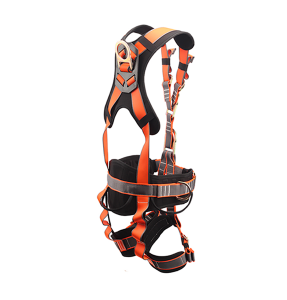
Photos via Pixabay (Ana_M, cocoparisienne, Quanlecntt2004, danfador)
Explore More Field Protocols

When to Replace a Single Leg Safety Lanyard
Discover the clear signs of wear and the recommended lifespan for a single leg safety lanyard, plus practical steps to keep your gear safe and reliable.
Side Swing Aluminium Pulley: Features Explained for Climbers
A clear guide that breaks down each feature of the Side Swing Aluminium Pulley, showing what it means for climbers and rescue personnel in everyday use.
Fall Arrest System Features Explained in Simple Terms
A clear guide to the main features of TrekkersPK's Fall Arrest System and what they mean for users working at height.