


A single leg safety lanyard is a fall‑arrest device that connects a climber’s harness to an anchor point and includes a shock‑absorbing element. TrekkersPK advises retiring the lanyard when any of the wear indicators listed below appear, or when it exceeds the manufacturer’s recommended service life.
💡 Key Takeaways & Summary
- Inspect the webbing, connectors, and shock absorber before every use.
- Replace the lanyard if you see fraying, cuts, discoloration, or hardware deformation.
- Follow a documented inspection schedule: at least every 6 months for frequent users.
- Keep a log of usage hours and environmental exposure to gauge total lifespan.
- When in doubt, choose a new lanyard rather than risk compromised safety.
What is a Single Leg Safety Lanyard and why does its lifespan matter?
A single leg safety lanyard is a personal fall‑arrest system designed to protect a climber or worker who is attached at a single point, typically using a full‑body harness. Its 1.8 m length offers enough reach while limiting free‑fall distance, and the integrated shock absorber reduces impact forces during a fall. Check out the full product specifications for details.
Because the lanyard bears the full force of a potential fall, any degradation can directly affect its ability to arrest a fall safely. Knowing when to retire the gear prevents accidents caused by unnoticed wear.
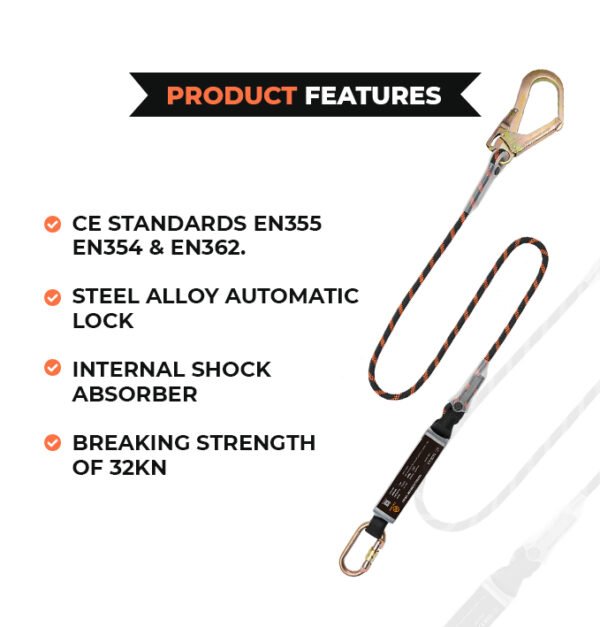
How can you tell a single leg safety lanyard is reaching the end of its service life?
- Visible wear on the webbing: fraying, cuts, or discoloration indicate fiber breakdown.
- Compromised shock absorber: reduced elongation, cracks, or fluid leaks in the energy‑absorbing pack.
- Damaged connectors: bent, corroded, or deformed aluminum hooks, carabiners, or snap hooks.
- Excessive stretching or loss of elasticity: the lanyard no longer returns to its original length after a load.
- Age and usage frequency: even without obvious damage, webbing can degrade after 3–5 years of regular use.
Visible wear and tear
Inspect the nylon or polyester webbing under good lighting. Look for any cuts, abrasions, or thinning that could expose the core fibers. Even small nicks can become starting points for larger failures under load.
Loss of elasticity or shock absorber performance
The shock‑absorbing pack is engineered to stretch a specific amount (usually 30 % of its length) during a fall. If the pack feels hard or shows visible cracks, its energy‑dissipating capability is compromised.
Damage to connectors or hardware
Aluminum hooks and snap‑hooks should open and close smoothly. Bent gates, corrosion, or worn locking mechanisms reduce reliability and must be replaced immediately.
Age and usage frequency
Manufacturers often recommend a maximum service life of 5 years for high‑frequency users, even if no damage is apparent. UV exposure, chemicals, and repeated loading accelerate material fatigue.
What are the recommended inspection intervals and documentation practices?
- Pre‑use visual check: examine webbing, connectors, and shock absorber before every climb or job.
- Monthly thorough inspection: use a magnifying glass to spot micro‑abrasions and test the shock absorber’s stretch.
- Six‑month professional audit: have a qualified safety officer perform a detailed assessment and record findings.
- Log each inspection: note date, user, observed condition, and any corrective actions taken.
- Retire the lanyard when any defect is recorded, or when it reaches the manufacturer’s maximum service time.
When should you retire or replace the lanyard?
Retirement is warranted if any of the following conditions are met:
- Webbing shows cuts, fraying, or extensive discoloration.
- Shock absorber pack is cracked, leaking, or fails to elongate as designed.
- Hooks, carabiners, or snap‑hooks are bent, corroded, or have malfunctioning locking mechanisms.
- The lanyard has been in service for more than 5 years under regular use, regardless of visual condition.
- Any impact event exceeds the rated 32 kN breaking strength, even if no obvious damage is visible.
How does the Single Leg Safety Lanyard compare to other fall‑arrest options regarding replacement cycles?
While ropes and slings often enjoy longer service lives, a lanyard’s shock‑absorbing component ages faster because it repeatedly absorbs kinetic energy.

What maintenance steps can extend the life of your lanyard?
- Clean after use: wipe down webbing with a damp cloth to remove dirt, oil, or chemicals.
- Store properly: keep the lanyard in a cool, dry place away from direct sunlight and abrasive surfaces.
- Avoid chemical exposure: do not expose the webbing to solvents, acids, or petroleum products.
- Rotate gear: if you have multiple lanyards, rotate usage to reduce cumulative fatigue on a single unit.
- Perform load tests: periodically test the shock absorber with a calibrated load bank (if available) to verify performance.
Where can you find a reliable replacement?
If your inspection indicates retirement, order a new unit from the trusted supplier. TrekkersPK offers a robust, CE‑certified
Frequently asked questions
How should this gear be inspected before each use?
Always inspect all load-bearing points, stitching, gates, and surface wear before each activity. Retire any gear showing excessive abrasion or deformation.
What is the recommended storage routine?
Store equipment in a cool, clean, dry environment away from direct sunlight, extreme heat, and corrosive chemicals.
Who is this gear best suited for?
It is designed for outdoor enthusiasts, climbers, and professionals seeking reliable performance and safety compliance.
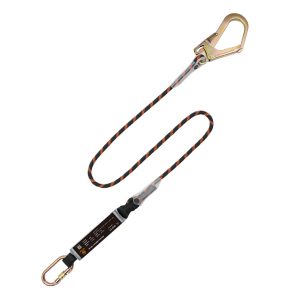
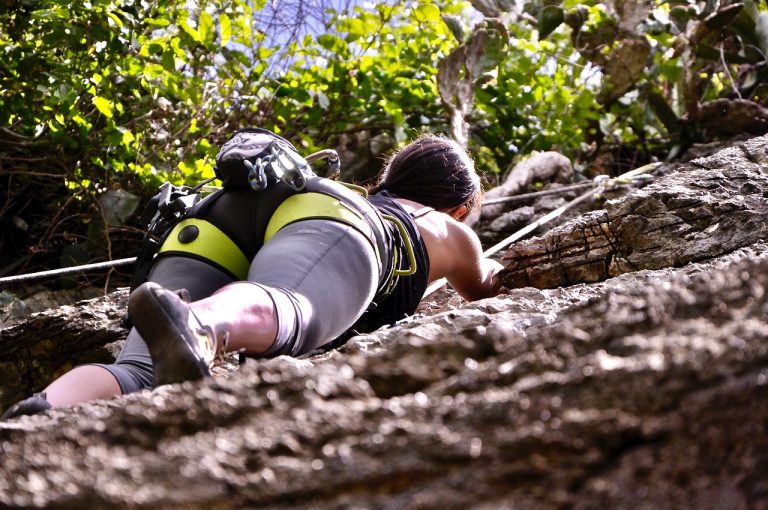
Photos via Pixabay (diego_torres, hbieser)
Explore More Field Protocols
Side Swing Aluminium Pulley: Features Explained for Climbers
A clear guide that breaks down each feature of the Side Swing Aluminium Pulley, showing what it means for climbers and rescue personnel in everyday use.
Fall Arrest System Features Explained in Simple Terms
A clear guide to the main features of TrekkersPK's Fall Arrest System and what they mean for users working at height.

Climbing Kit Guide: Double Adjustable Progression Lanyard
A step‑by‑step guide shows how to integrate the Double Adjustable Progression Lanyard into a complete climbing kit, covering gear selection, packing, and safe usage.