


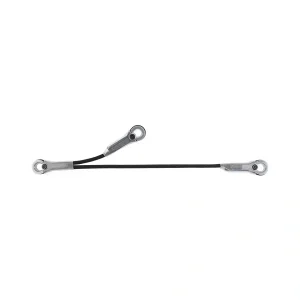
A Double Adjustable Progression Lanyard is a safety device with two independently adjustable arms that let climbers or rope‑access workers maintain continuous anchor connection while positioning themselves precisely. TrekkersPK’s version adds durable polyamide construction, EN354 certification, and lightweight design for versatile use.
💡 Key Takeaways & Summary
- Two adjustable legs give you flexible reach and balanced movement on any ascent.
- kN strength and EN354 compliance meet professional safety standards.
- The 65 cm long arm and 35 cm short arm cover most work‑at‑height scenarios.
- Plastic sheaths protect carabiners and speed up clipping.
What is a Double Adjustable Progression Lanyard and why choose it?
The Double Adjustable Progression Lanyard is a dual‑leg safety line that stays attached to an anchor while you climb, allowing you to adjust reach and balance without re‑clipping. Its independent arms let you work at different heights or angles, making it ideal for both sport climbing and industrial rope access.

How does the lanyard fit into a complete climbing kit?
Think of the lanyard as the “core” of your vertical work system. Around it you need a harness, carabiners, a rope, and optional tools that complement its adjustability. Below is a checklist that covers everything you’ll need for a day on the wall or a job on a high‑rise building.
- Double Adjustable Progression Lanyard – the centerpiece.
- Climbing harness – a full‑body harness with multiple gear loops.
- Dynamic climbing rope – High Strength Dynamic Climbing Rope for fall‑absorbing lead work.
- Carabiners – Carabiner Aviation Aluminum Snap Hook for quick, secure connections.
- Ascenders – Lightweight Aluminum Left Hand Ascender to aid upward movement.
- Rescue pulley – Climbers Rescue Side Swing Aluminium Pulley for lowering or hauling.
- Fall arrest system – Fall Arrest System as a backup safety net.
- Dyneema sling – Dyneema Sling: Ultimate Strength for anchoring or extending reach.
How to pack the lanyard and companion gear for a lightweight setup?
Efficient packing saves space in your pack and reduces weight. Follow these steps to organize your kit:
- Lay the lanyard flat, ensuring the plastic sheaths are facing up for easy access.
- Coil the 65 cm long arm in a figure‑eight, then wrap the 35 cm short arm around it.
- Secure the coil with a short length of cord‑loop (about 10 cm) – this prevents tangles.
- Place the coil inside the main gear pocket of your harness, next to the rope.
- Stack carabiners, ascender, and pulley in a separate zippered compartment to avoid scratching the lanyard’s sheaths.
- Fit the Dyneema sling around the outside of the pack for quick access.
When you reach the job site, a quick visual check (see next section) confirms everything is ready.

Is the Double Adjustable Progression Lanyard safe for both climbing and industrial use?
Yes. The lanyard meets EN354 safety standards and boasts a 22 kN breaking strength, which is more than sufficient for most recreational climbs and rope‑access tasks. However, always verify that the anchor point you use is rated for the same or higher load.
What are the key differences between a single‑leg and a double‑leg progression lanyard?
How do you correctly use the Double Adjustable Progression Lanyard on a climb?
Proper technique prevents accidental falls and maximizes the lanyard’s benefits. Follow this procedural guide:
- Secure your harness and double‑check all buckles.
- Clip one carabiner from the lanyard’s short arm to a solid anchor point.
- Clip the second carabiner from the long arm to a second anchor or directly to your harness’s gear loop, depending on the route.
- Adjust the length of each arm until you feel balanced and have a comfortable reach.
- Begin your ascent, keeping the lanyard taut but not overly stretched.
- When you reach a new stance, re‑clip the short arm to a higher anchor, then repeat.
Always keep the plastic sheaths aligned with the carabiner gates to avoid cross‑loading.
What maintenance and inspection routine should you follow?
Regular checks extend the life of your lanyard and keep you safe:
- Inspect the polyamide webbing for cuts, abrasion, or discoloration before each use.
- Examine the plastic sheaths for cracks or deformation.
- Check carabiner gates for smooth operation and signs of wear.
- Wash the lanyard with mild soap and water after heavy dirt exposure; air‑dry completely.
- Retire the lanyard after any fall that exceeds 5 % of its rated strength.

How to integrate the lanyard into a rescue scenario?
Frequently asked questions
How should this gear be inspected before each use?
Always inspect all load-bearing points, stitching, gates, and surface wear before each activity. Retire any gear showing excessive abrasion or deformation.
What is the recommended storage routine?
Store equipment in a cool, clean, dry environment away from direct sunlight, extreme heat, and corrosive chemicals.
Who is this gear best suited for?
It is designed for outdoor enthusiasts, climbers, and professionals seeking reliable performance and safety compliance.
Photos via Pixabay (maxmann)
Explore More Field Protocols

Durable PVC Mesh Bag Features Explained for Outdoor Use
Learn how each feature of the Durable PVC Mesh Bag works for you, from its breathable PVC mesh to its ergonomic straps, and decide if it’s the right gear for your next trek.

Left Hand Ascender Guide: Safe Step‑by‑Step Use
A concise, step‑by‑step tutorial showing how to attach, operate, and inspect the Lightweight Aluminum Left Hand Ascender for safe rope climbing.
Seasonal Tips for Using a Dyneema Sling in Any Terrain
Learn practical, season‑by‑season advice for getting the most out of your Dyneema Sling, from scorching sun to icy snow, while keeping safety front‑and‑center.