


A Double Adjustable Progression Lanyard is a two‑leg safety device that lets you adjust reach and balance while staying continuously attached to an anchor. TrekkersPK’s version combines a strong 22 kN rating, EN354 compliance, and interchangeable arm lengths at a price that keeps safety affordable.
💡 Key Takeaways & Summary
- The dual‑leg design provides extra stability and flexibility for both climbing and work‑at‑height tasks.
- Polyamide webbing and a 22 kN strength rating meet EN354 standards, delivering professional‑grade safety at a low price.
- Adjustable 65 cm and 35 cm arms let you fine‑tune positioning without buying multiple lanyards.
- Lightweight construction adds minimal bulk to any harness setup.
- Regular inspection and proper training are essential to maintain the gear’s reliability.
What makes a progression lanyard a smart budget choice?
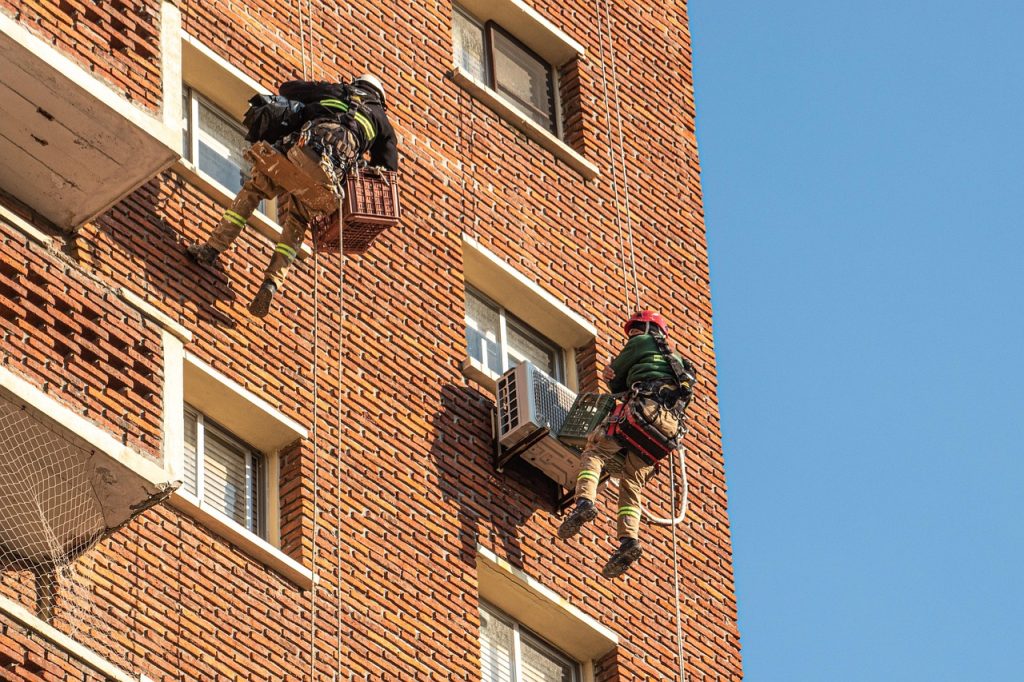
When you’re balancing cost against safety, the first thing to examine is whether the gear meets the required standards. The Double Adjustable Progression Lanyard is certified to EN354, the European norm for personal fall‑arrest equipment. That means it has passed rigorous testing for strength, durability, and shock absorption—features you usually expect from higher‑priced models.
Because the lanyard is built from high‑tenacity polyamide, it resists abrasion, UV exposure, and moisture, extending its service life. In practice, this durability translates to fewer replacements and lower long‑term expenses.
How does the Double Adjustable Progression Lanyard balance cost and performance?
TrekkersPK has engineered a device that delivers professional performance without the premium price tag. The lanyard’s two independent arms—one 65 cm long and one 35 cm short—let you adapt to a wide range of scenarios, from vertical climbs to horizontal work platforms. The rope diameter of about 10.5 mm provides a solid feel while keeping weight down.
For a quick look at the product, visit the Double Adjustable Progression Lanyard page. You’ll see that the price point of $14.00 is well below many comparable systems, yet the specifications remain on par with industry standards.
Key specifications that justify the price
- Strength: 22 kN (≈2 tonne) breaking load.
- Materials: Polyamide webbing with reinforced stitching.
- Adjustability: Two legs—65 cm and 35 cm—each with independent sliders.
- Compliance: EN354 certified for fall‑arrest use.
- Weight: Lightweight design adds less than 200 g to a harness.
Is the double‑leg design worth the extra investment?
Compared with single‑leg lanyards, the double‑leg version offers several practical advantages. The extra attachment point spreads the load more evenly across the anchor, reducing stress on a single carabiner. It also gives you the ability to shift your center of gravity without re‑clipping, which can be a real time‑saver on long ascents.
For those who frequently switch between vertical and horizontal work, the dual legs provide a smoother transition, allowing you to maintain a constant connection while adjusting your position.
Comparison with single‑leg lanyards
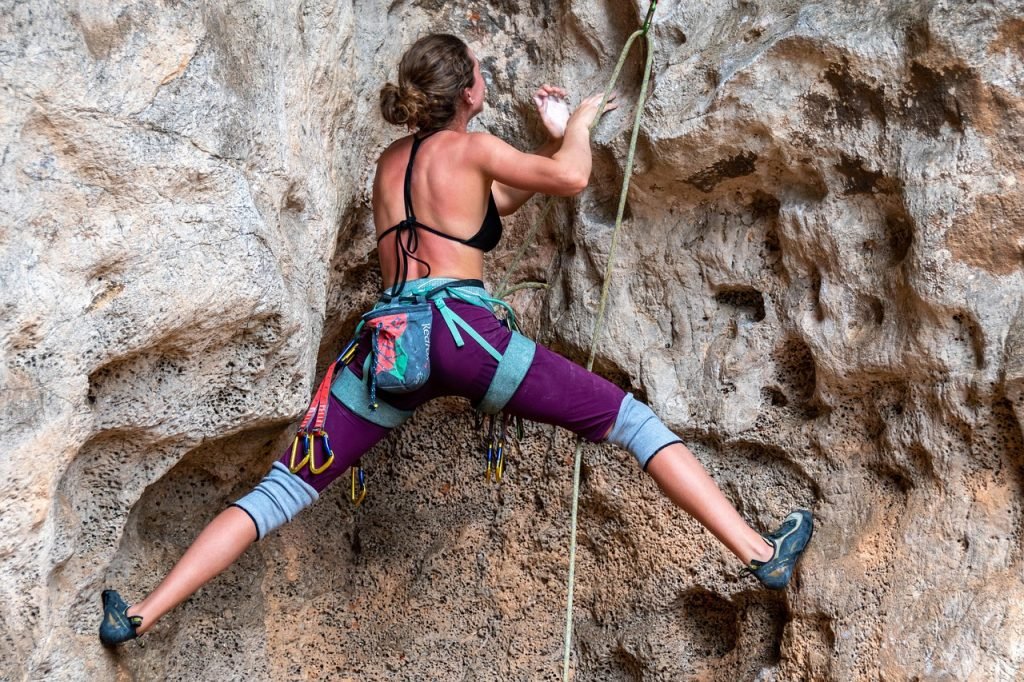
The extra few grams are a small trade‑off for the added safety and flexibility, especially when you consider the cost of a potential fall.
How to use the lanyard safely and efficiently?
- Inspect the webbing, sliders, and plastic sheaths for cuts, fraying, or corrosion.
- Secure your harness and verify that all buckles are tightened.
- Clip a carabiner into each leg’s plastic sheath, then attach one carabiner to a certified anchor point.
- Clip the second carabiner to your harness’s designated attachment loop.
- Adjust each arm to the desired length using the sliders, ensuring they lock firmly.
- Before moving, double‑check that both carabiners are fully seated and that the lanyard remains taut.
Safety: Always follow the manufacturer’s instructions, inspect the gear before each use, and receive proper training on progression techniques. If any component shows signs of wear, replace it immediately.
When might you need a different type of safety line?
While the Double Adjustable Progression Lanyard excels in many scenarios, there are cases where alternative equipment is preferable. For long‑run rope access where a full‑length rope is required, a High Strength Dynamic Climbing Rope offers the necessary length and elasticity. If you need a quick‑release system for rescue operations, a Climbers Rescue Side Swing Aluminium Pulley can provide faster descent control.
For connecting the lanyard to your harness, a reliable carabiner such as the Carabiner Aviation Aluminum Snap Hook ensures smooth clipping and strong hold. When working at extreme heights, integrating the lanyard into a full Fall Arrest System adds redundancy and compliance with occupational safety regulations.
What does “value” really mean for climbing gear?
Value isn’t just about the sticker price; it’s about the ratio of performance, durability, and safety to cost. The Double Adjustable Progression Lanyard hits the sweet spot because it delivers EN‑certified strength, versatile adjustability, and a lightweight profile—all for $14.00. Over time, the reduced need for replacements and the confidence it provides during critical climbs amplify that value.
Investing in quality gear also means lower risk of accidents, which can have far‑greater financial and personal costs than the initial purchase price.
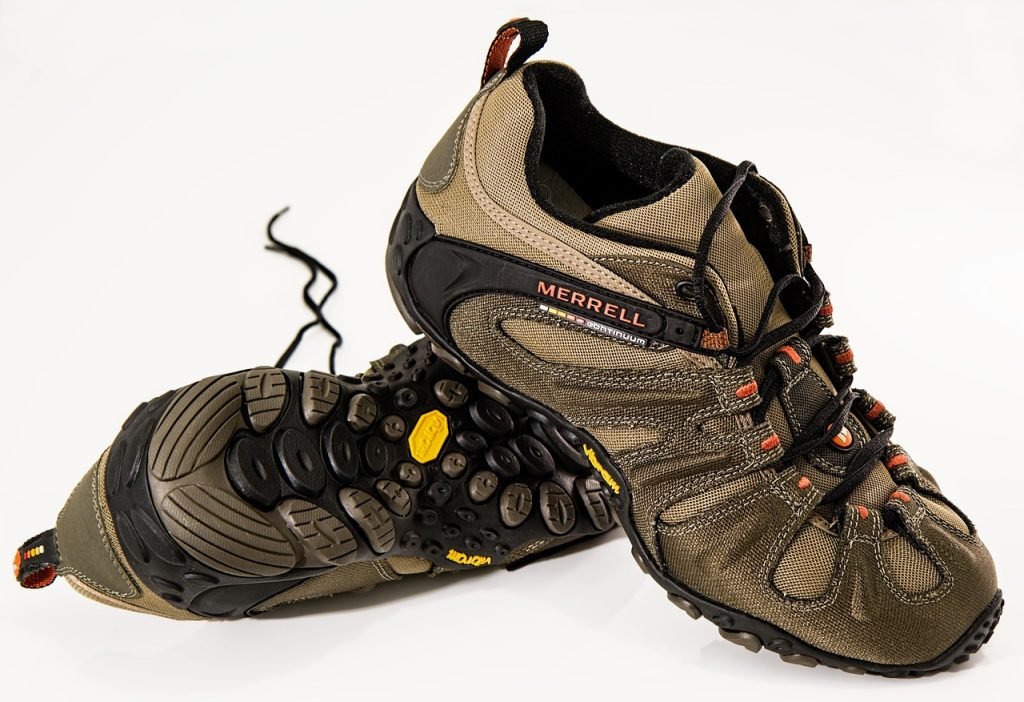
In summary, the Double Adjustable Progression Lanyard from TrekkersPK offers a compelling blend of affordability and high‑grade safety features, making it a worthwhile addition to any climber’s or work‑at
Frequently asked questions
How should this gear be inspected before each use?
Always inspect all load-bearing points, stitching, gates, and surface wear before each activity. Retire any gear showing excessive abrasion or deformation.
What is the recommended storage routine?
Store equipment in a cool, clean, dry environment away from direct sunlight, extreme heat, and corrosive chemicals.
Who is this gear best suited for?
It is designed for outdoor enthusiasts, climbers, and professionals seeking reliable performance and safety compliance.
Explore More Field Protocols

Step‑by‑Step Guide to Using a Dyneema Sling Safely
A practical tutorial on setting up, inspecting, and employing a Dyneema Sling for climbing and rigging, ensuring safety and optimal performance.

When to Replace Your Durable PVC Mesh Bag: Signs & Lifespan
Learn the clear signs that your Durable PVC Mesh Bag is past its prime and how long you can expect it to last with proper care.
Lightweight Aluminum Left Hand Ascender FAQs Answered
This article answers the top FAQs about the Lightweight Aluminum Left Hand Ascender, covering safety, performance, and how to choose the right model.