

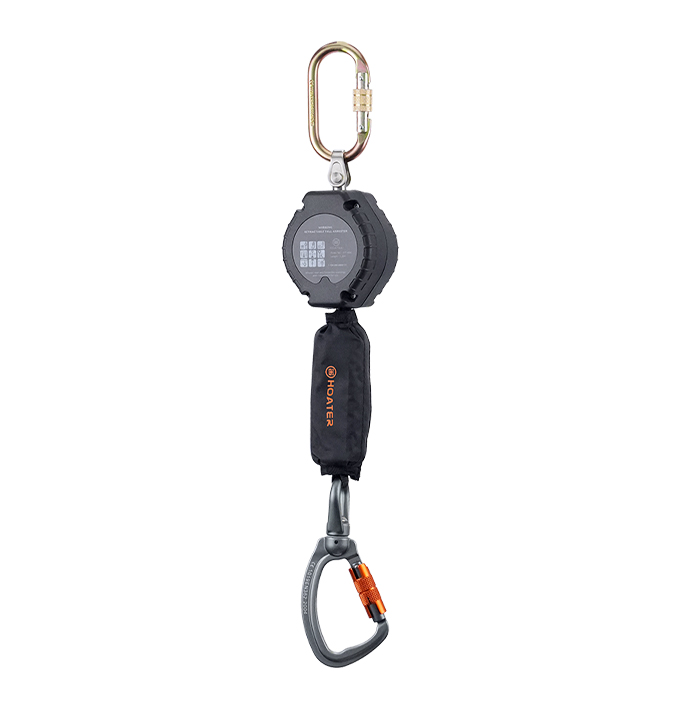
A Fall Arrest System is a safety device designed to stop a worker’s descent instantly in the event of a fall, protecting against serious injury. TrekkersPK’s system combines lightweight Dyneema construction with a quick‑locking mechanism, making it easy to deploy and reliable in demanding environments.
💡 Key Takeaways & Summary
- Inspect all components before each use to ensure integrity.
- Follow the exact attachment sequence for instant braking.
- Use the auxiliary rope and self‑shortening webbing to control fall distance.
- Store the device dry and away from chemicals to preserve durability.
- Pair the system with compatible ropes, carabiners, and ascenders for a complete safety kit.
What is a Fall Arrest System and why is it essential?
A Fall Arrest System is a safety apparatus that arrests a fall within a few centimeters, preventing the kinetic energy from causing injury. Its lightweight design and high‑strength Dyneema fiber make it ideal for construction, maintenance, and aerial work where every kilogram counts. Check out the full product specifications for details.

How do you prepare the Fall Arrest System before use?
Step 1: Perform a visual inspection
- Check the thick nylon shell for cuts, abrasions, or corrosion.
- Verify that the universal ring rotates freely without binding.
- Confirm the locking mechanism clicks smoothly when engaged.
- Look for any signs of water damage; the device should be dry.
Step 2: Attach the carabiner‑style clip
Secure the carabiner to the anchor point on your work platform or harness. Make sure the gate is fully closed and locked before loading the system.
Step 3: Connect the auxiliary rope
Thread the auxiliary rope through the built‑in loop on the device. This rope allows you to retrieve the lock from below after a fall, facilitating repeated operations without re‑rigging.
Step 4: Install the self‑shortening webbing
Unfold the 1.8 m webbing and attach its ends to the designated slots on the device. The 15 kN strength webbing reduces slack, minimizing the distance you could fall before the arrest engages.
For a quick reference on each component, see the Fall Arrest System Features Explained in Simple Terms page.
How to correctly attach and lock the Fall Arrest System while working at height?

- Secure the anchor. Choose a certified anchor that can support at least 10 kN. Clip the device’s carabiner onto the anchor, ensuring the gate faces away from the load direction.
- Thread the lifeline. Pass the safety rope through the device’s locking chamber from the top side. The rope should run smoothly without twists.
- Engage the locking mechanism. Pull the rope sharply; the device’s internal cam will snap into place, creating an instant brake.
- Test the lock. With the system still attached, apply a gentle tug on the rope. You should feel a firm resistance with no movement.
- Position the auxiliary rope. Drop the auxiliary rope below you, attach a retrieval hook, and keep it within easy reach.
- Begin work. Move carefully, keeping the rope taut. If a slip occurs, the device will lock automatically, absorbing the energy through its energy absorber.
What are the best practices for maintaining and storing the system?
Regular maintenance extends the life of your Fall Arrest System and ensures consistent performance.
- Clean after each use: Wipe the shell with a dry cloth to remove dust, mud, or moisture.
- Lubricate moving parts: Apply a light silicone spray to the lock’s pivot points once a month.
- Store in a dry container: Keep the device in its original pouch or a breathable bag, away from direct sunlight.
- Schedule professional inspections: Have a certified safety inspector examine the system annually, especially after heavy use.
Can the Fall Arrest System be combined with other gear for a complete safety kit?
Yes. Pairing the Fall Arrest System with compatible equipment creates a versatile setup for any high‑altitude task.
- High Strength Dynamic Climbing Rope – provides the main lifeline with excellent shock absorption.
- Carabiner Aviation Aluminum Snap Hook – offers a lightweight, corrosion‑resistant anchor point.
- Lightweight Aluminum Left Hand Ascender – assists upward movement while the fall arrester remains attached.
- Dyneema Sling: Ultimate Strength – can be used as an additional backup or for rigging complex angles.
When using multiple devices, always respect the maximum load rating of 100 kg and the 40‑degree operational angle limit.

Safety checklist before you start
Before stepping off the platform, run through this quick list:
- Inspect the Fall Arrest System and all connected gear.
- Verify anchor strength and proper attachment.
- Confirm the locking mechanism engages with a test pull.
- Ensure the auxiliary rope is correctly positioned.
- Check that the self‑shortening webbing is fully secured.
- Wear a compatible harness and double‑check all connections.
Following this routine reduces the risk of equipment failure and gives you confidence to work safely at height.
⚖️ Quick Verdict & Analysis: Fall Arrest System
✓ Pros & Highlights
- Instantaneous locking provides rapid arrest of falls.
- Lightweight Dyneema construction reduces user fatigue.
- Self‑shortening webbing limits fall distance automatically.
- Portable size fits easily in a toolkit or harness.
⚠️ Key Considerations
- Maximum load limited to 100 kg; not suitable for heavier users.
- Requires regular inspection to maintain reliability.
- Limited to a 40‑degree operational angle for optimal performance.
Frequently asked questions
How often should I inspect my Fall Arrest System?
Perform a visual inspection before every use and a thorough check at least once a month. Look for wear, corrosion, and any deformation of the locking mechanism.
Can I use the system with a static rope?
Yes, but a dynamic rope is recommended because it absorbs shock better, reducing the impact force on the device and the user.
What is the purpose of the auxiliary rope?
The auxiliary rope lets you retrieve the lock from below after a fall, enabling quick reset of the system without detaching and re‑rigging.
Is the device waterproof?
The Fall Arrest System is water‑resistant, but prolonged exposure to water can affect the nylon shell. Dry it thoroughly after wet conditions.
What safety standards does the system meet?
It complies with EN 362 standards for fall arrest systems, ensuring it meets European safety regulations for personal fall protection.
Can I share the same device with multiple workers on a single day?
Yes, as long as the device is inspected before each individual use and the load does not exceed its 100 kg rating.
Explore More Field Protocols
Using an Aviation Aluminum Snap Hook: Step-by-Step
A clear, step‑by‑step tutorial on inspecting, locking, and attaching the Aviation Aluminum Snap Hook for climbing, camping, and everyday gear safety.

Full Body Safety Harness Buying Guide: Choose the Right One
A comprehensive guide to selecting the ideal full body safety harness, covering essential features, fit, and safety tips for climbers and workers alike.

Double Adjustable Progression Lanyard: Value and Quality
The Double Adjustable Progression Lanyard offers a rare mix of affordability, robust construction, and versatile design, making it a smart investment for anyone who needs reliable fall‑arrest gear without breaking the bank.