

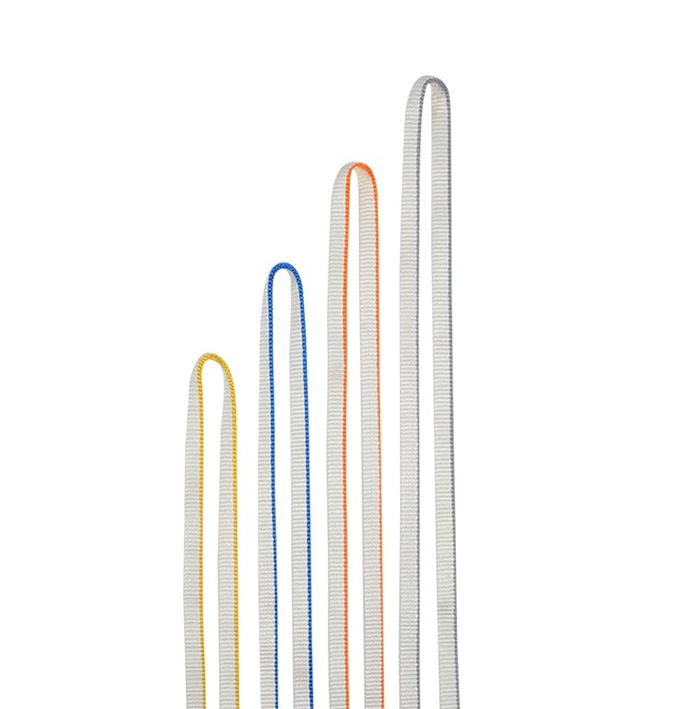
A Dyneema Sling is a lightweight, ultra‑durable climbing sling made from high‑strength Dyneema fibers, offering excellent abrasion, UV and moisture resistance for safe anchoring. TrekkersPK provides these slings in four lengths to suit budget‑conscious climbers who demand quality.
💡 Key Takeaways & Summary
- Dyneema’s high strength‑to‑weight ratio means you carry less weight without sacrificing safety.
- UV and moisture resistance extend the sling’s service life, reducing replacement costs.
- Multiple length options let you choose the most cost‑effective size for each climbing scenario.
What makes a Dyneema Sling a smart budget choice?
When you compare the upfront price of a Dyneema Sling to cheaper synthetic alternatives, the long‑term savings become clear. The material’s abrasion resistance means it won’t wear out after a few trips, and its low stretch provides reliable performance on every ascent. Check out the full product specifications for details.

How does durability translate to cost savings?
Durability reduces the frequency of gear replacement. A sling that can withstand rough rock, sun, and rain will stay serviceable for years, whereas a lower‑quality sling may need to be retired after a single season.
Why is low stretch important for value?
Low stretch gives predictable behavior under load, which means fewer “surprise” slips and less wear on other gear. This predictability protects your rope and carabiners, extending their lifespan as well.
How does the strength‑to‑weight ratio affect budget decisions?
Dyneema’s strength‑to‑weight ratio is among the highest of any rope material. You can carry a robust anchor system without adding bulk, freeing up space for other essentials and reducing the need for multiple slings.
Choosing the right length for the task also cuts waste. A 60 cm sling is perfect for tight anchor points, while a 150 cm sling can replace several shorter pieces in a multi‑pitch climb.
Which size gives the best cost‑performance?
Below is a quick reference to help you match length to typical use cases and avoid over‑buying.

Can I rely on a Dyneema Sling in wet conditions?
Yes. Dyneema’s natural moisture resistance means its strength stays consistent even when wet, unlike some nylon slings that lose grip. This reliability is crucial for alpine routes where rain or snow is common.
How do I assess whether a Dyneema Sling is worth its price?
Consider three factors: material performance, versatility, and longevity. If a sling scores high on all three, the higher initial cost is justified.
For a deeper dive on safe handling, see our step‑by‑step guide to using a Dyneema Sling safely. If you’re still unsure which length fits your needs, our Dyneema Sling buyer’s guide breaks down the decision process.
What are the hidden costs of cheap alternatives?
Low‑priced slings often have weaker fibers, reduced UV protection, and higher stretch. Over time, they can fail prematurely, leading to gear damage, rescue incidents, or the need to replace multiple items—costs that quickly outweigh the savings.
How does proper maintenance enhance value?
Regular inspection for cuts, UV damage, and fraying ensures you catch wear early. Cleaning with mild soap and storing in a dry, shaded pouch preserves the Dyneema’s integrity, extending its usable life.
Is it safe to rely solely on a Dyneema Sling for anchor building?
While Dyneema slings are strong, best practice is to use them in combination with other anchor components—such as carabiner aviation aluminum snap hooks and natural rock features—to distribute load and provide redundancy.
Always follow the manufacturer’s instructions, inspect your gear before each use, and seek proper training if you’re new to anchor construction.

When is a Dyneema Sling the most cost‑effective choice?
For multi‑day trips where weight matters, for routes with harsh sun exposure, and for climbers who value low stretch for precise positioning, the Dyneema Sling’s performance justifies its price.
Conclusion: Investing in quality saves money
Choosing a Dyneema Sling from TrekkersPK means paying a bit more upfront for a product that lasts longer, performs better, and reduces the need for additional gear. In the long run, that investment protects both your wallet and your safety on the wall.
Related reading
- Seasonal tips for using a Dyneema Sling in any terrain
- High Strength Dynamic Climbing Rope
- Climbers Rescue Side Swing Aluminium Pulley
⚖️ Quick Verdict & Analysis: Dyneema Sling: Ultimate Strength
✓ Pros & Highlights
- Exceptional abrasion, UV, and moisture resistance
- High strength‑to‑weight ratio reduces pack weight
- Low stretch provides predictable performance
- Available in four lengths for versatile use
⚠️ Key Considerations
- Higher upfront price than basic nylon slings
- Limited color options may affect visibility in certain conditions
Frequently asked questions
How often should I inspect my Dyneema Sling?
Check it before every climb for cuts, UV bleaching, or fraying. Replace the sling if any damage is visible.
Can I use a Dyneema Sling for rescue operations?
Yes, its low stretch and high strength make it suitable for many rescue setups, but always follow rescue‑specific protocols.
Does the sling shrink when it gets wet?
No. Dyneema’s moisture‑resistant fibers maintain their dimensions and strength even when saturated.
What is the recommended storage method?
Store the sling in a dry, shaded pouch away from direct sunlight and chemicals to preserve its UV protection.
Are there any certifications I should look for?
Look for UIAA or CE markings indicating the sling meets international safety standards.
Explore More Field Protocols

Double Adjustable Progression Lanyard Features Explained in Simple
A plain‑language guide that breaks down every feature of the Double Adjustable Progression Lanyard, showing how they improve safety, flexibility, and efficiency on the rock or on the job site.
Aviation Aluminum Snap Hook Care Guide for Longevity
A complete guide to cleaning, storing, and inspecting your Aviation Aluminum Snap Hook so it stays strong and reliable for years of outdoor adventures.
Side Swing Aluminium Pulley vs Other Pulley Types
A detailed guide comparing the Side Swing Aluminium Pulley with other common pulley designs, helping you pick the right tool for climbing, hauling, or rescue tasks.