

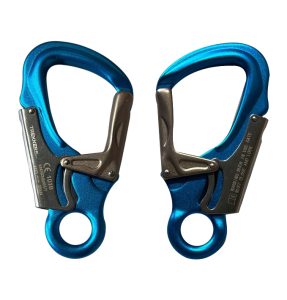
A Aviation Aluminum Snap Hook is a lightweight, corrosion‑resistant locking carabiner made from aviation‑grade aluminum, ideal for secure gear attachment in the outdoors. TrekkersPK’s HT‑H18 model provides a strong, ergonomic lock that performs reliably in cold, wet, hot, or salty environments.
💡 Key Takeaways & Summary
- Aviation‑grade aluminum gives high strength while keeping weight low.
- The secure locking mechanism works reliably in extreme cold and heat.
- Corrosion‑resistant coating protects the hook in wet, humid, and salty settings.
- Regular inspection and a simple seasonal checklist extend the hook’s service life.
- Pair the hook with compatible gear like dynamic ropes or ascenders for optimal safety.
What makes the Aviation Aluminum Snap Hook suitable for all seasons?

The HT‑H18’s aviation‑grade aluminum combines a high strength‑to‑weight ratio with natural resistance to rust and fatigue. Its ergonomic shape allows easy operation even with gloves, and the locking gate stays firm under pressure, whether you’re on a frozen ridge or a sun‑baked desert trail. Because the material does not expand or contract dramatically with temperature changes, the gate’s alignment stays consistent, reducing the risk of accidental opening. Check out the full product specifications for details.
How does cold weather affect the snap hook and how can you mitigate it?
In sub‑zero conditions the metal becomes slightly more brittle, but the HT‑H18’s alloy is formulated to retain ductility down to -30 °C (-22 °F). Ice can freeze the gate, making it harder to open. To keep the hook functional:
- Store the hook in a breathable pouch to avoid moisture buildup.
- Before use, wipe any frost with a dry cloth and flex the gate gently to warm it.
- Consider applying a thin layer of silicone‑based lubricant designed for cold‑weather gear; this prevents the gate from sticking without compromising lock strength.
When climbing icy routes, pair the snap hook with a High Strength Dynamic Climbing Rope to ensure the entire system remains resilient.
Can the snap hook handle wet and humid conditions?
Rain, mist, and high humidity are common on alpine walls and forest canopies. The HT‑H18’s corrosion‑resistant coating shields the aluminum from water‑induced oxidation. However, prolonged exposure to standing water can eventually wear the coating if not maintained.
- Rinse the hook with fresh water after a day in salty sea spray or after a river crossing.
- Dry it thoroughly with a lint‑free cloth before storing.
- Inspect the gate for any sign of pitting or surface wear before each climb.
For a deeper dive into caring for aluminum snap hooks, see our Aviation Aluminum Snap Hook Care guide.
What about hot and salty environments?
Desert hikes and coastal climbs expose gear to high temperatures and salty aerosols. Aluminum expands slightly with heat, but the HT‑H18’s tolerances keep the gate alignment within safe limits up to 50 °C (122 °F). Salt can accelerate corrosion on any metal, but the protective coating on this snap hook offers a strong barrier.
Best practices for hot, salty conditions:
- After a day on the coast, rinse the hook with fresh water to remove salt residue.
- Store the hook in a shaded, ventilated bag to avoid prolonged heat exposure.
- Check the lock’s tension; heat can soften lubricants, so re‑apply a high‑temperature‑rated grease if needed.
How does weather impact performance? A quick comparison
Seasonal maintenance checklist for the Aviation Aluminum Snap Hook
Following a simple routine before and after each season can extend the life of your HT‑H18:
- Pre‑season inspection: Look for cracks, deformation, or corrosion on the gate and body.
- Cleaning: Use mild soap and a soft brush; avoid abrasive pads.
- Lubrication (optional): Apply a thin layer of silicone grease for cold or hot climates.
- Storage: Keep in a breathable pouch, away from direct sunlight and extreme temperatures.
- Documentation: Note the inspection date on the hook’s tag; replace after 12 months of heavy use or if any defect is found.
Pair the snap hook with a Lightweight Aluminum Left Hand Ascender for a streamlined climbing setup that benefits from the same lightweight, corrosion‑resistant design.
Frequently asked questions about using the snap hook in varied conditions
Below are concise answers to common queries climbers and campers have about the HT‑H18.

Real‑world scenarios: When to choose the Aviation Aluminum Snap Hook
Consider these situations when deciding whether the HT‑H18 is the right tool:
- Ice‑climbing expeditions: Its low weight reduces fatigue, and the lock stays secure despite freezing temperatures.
- Multi‑day backpacking in rainforests: Corrosion resistance means you won’t have to replace the hook after a week of humidity.
- Coastal rock routes: The aluminum’s natural resistance to salt spray keeps performance consistent.
- Urban climbing gyms: The ergonomic gate works smoothly with gloves, making quick adjustments easy.
What other gear complements the Aviation Aluminum Snap Hook?
To build a well‑balanced system, consider adding:
- Climbers Rescue Side Swing Aluminium Pulley – for efficient rope management.
- Budget Benefits of a Lightweight Left Hand Ascender – for upward progress on steep pitches.
- Durable PVC Mesh Bag: Budget, Value, and Quality Guide – ideal for storing the hook and other small hardware.

Conclusion: Is the Aviation Aluminum Snap Hook the right choice for you?
Yes, if you need a reliable, lightweight, and corrosion‑resistant carabiner that performs across a wide range of
Frequently asked questions
How should this gear be inspected before each use?
Always inspect all load-bearing points, stitching, gates, and surface wear before each activity. Retire any gear showing excessive abrasion or deformation.
What is the recommended storage routine?
Store equipment in a cool, clean, dry environment away from direct sunlight, extreme heat, and corrosive chemicals.
Who is this gear best suited for?
It is designed for outdoor enthusiasts, climbers, and professionals seeking reliable performance and safety compliance.
Photos via Pixabay (ChiemSeherin, Kanenori, Tuor, jankuss)
Explore More Field Protocols

Avoid Common Beginner Errors with Dynamic Climbing Rope
Discover the most frequent beginner slip‑ups when using a dynamic climbing rope and get clear, actionable steps to climb safely and confidently.
Budget Benefits of a Lightweight Left Hand Ascender
A lightweight aluminum left hand ascender can give climbers reliable performance without breaking the bank, thanks to its ergonomic design and durable construction.
