


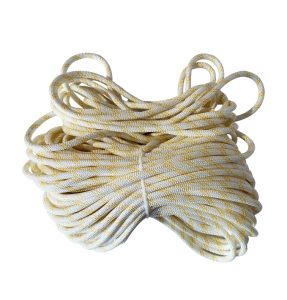
A dynamic climbing rope is a specially engineered rope that stretches to absorb the energy of a fall, providing safety for climbers. TrekkersPK’s High Strength Dynamic Climbing Rope combines lightweight durability with shock‑absorption, making it ideal for newcomers who want to avoid common pitfalls.
💡 Key Takeaways & Summary
- Inspect rope ends and sheath regularly for cuts, frays, or abrasion.
- Use the correct knot (Figure‑8) and double‑check its dressing before every climb.
- Choose solid anchor points and protect the rope from sharp edges.
- Manage rope handling to prevent twists and unnecessary wear.
What are the most common beginner mistakes with a dynamic climbing rope?

New climbers often assume that any rope will keep them safe, but a dynamic climbing rope has specific performance characteristics that must be respected. Mistakes such as using the wrong rope length, skipping rope inspection, or tying an insecure knot can turn a routine ascent into a dangerous situation.
1. Skipping the pre‑climb rope inspection
Before every session, examine the rope for:
- Visible cuts, nicks, or frayed strands.
- Flat spots or hard‑to‑see damage near the ends.
- Any signs of chemical exposure or excessive wear.
Even a small abrasion can compromise the rope’s ability to absorb shock. A quick 2‑minute check saves hours of rescue time later.
2. Using the wrong knot or an improperly dressed Figure‑8
The Figure‑8 knot is the industry standard for tying into a rope because it is strong and easy to inspect. Beginners often:
- Leave the tail too short (less than 10 cm).
- Dress the knot loosely, creating gaps.
- Fail to double‑check the knot after climbing.
Always leave a generous tail, tighten each turn, and perform a “pull‑test” before you load the rope.
3. Ignoring rope protection on sharp edges
When clipping into rock features, the rope can rub against sharp edges, leading to rapid sheath wear. Use rope protectors or position the rope so it runs over smoother surfaces whenever possible.
How can beginners properly set up anchors with a dynamic climbing rope?
Secure anchors are the backbone of safe climbing. Follow these steps to build a reliable anchor:
- Identify three independent points (natural features, bolts, or cams).
- Attach a Carabiner Aviation Aluminum Snap Hook to each point.
- Connect the rope using a cordelette or a master point knot (e.g., the “Munter” or “GriGri” method).
- Equalize the load by adjusting the length of each leg.
- Give the system a gentle tug to confirm stability before clipping in.
Remember, a well‑built anchor reduces the dynamic rope’s impact force, preserving its shock‑absorption capability.
What rope‑handling habits should beginners develop?
Good rope etiquette prevents twists, knots, and unnecessary wear:
- Feed the rope from the side of the climber, not the back, to avoid “rope burn.”
- Keep the rope clean and dry; moisture can weaken the sheath over time.
- Store the rope loosely coiled, not tightly packed, to maintain its elasticity.
- Use the Climbers Rescue Side Swing Aluminium Pulley for smooth lowering and to reduce friction.
Is it safe to use a dynamic climbing rope for rappelling?
Yes, but only if the rope meets the manufacturer’s specifications for both climbing and rappelling. The High Strength Dynamic Climbing Rope from TrekkersPK is rated for a first impact force of 9 kN, making it suitable for controlled descents when used with proper belay devices.
Key points:
- Never exceed the rope’s certified weight limit.
- Check the rope’s condition after each rappelling session.
- Use a dedicated rappel device and a backup knot (e.g., a “backup knot” or “prusik”).
How does the ultrasonic cutting rope end technology benefit beginners?
Ultrasonic cutting creates a clean, fray‑free edge that prolongs rope life. For beginners, this means less maintenance and a lower chance of the rope snagging on rock edges during a climb.
What additional gear complements a dynamic climbing rope for beginners?
Pairing the right accessories enhances safety and performance:
- Lightweight Aluminum Left Hand Ascender for efficient upward movement on long pitches.
- Helmet, harness, and a set of quickdraws that match the rope’s diameter (9 mm in this case).
- Rope bag for transport and protection from UV exposure.
When should a beginner replace their dynamic climbing rope?
Even the toughest rope has a lifespan. Replace it when you notice:
- More than 5% of the sheath is worn or abraded.
- Multiple core strands are exposed.
- The rope has been involved in a severe fall (over 10 kN impact).
Regularly logging climbs and rope inspections helps you track wear over time.
Final checklist before you start climbing
- Inspect rope ends and sheath for damage.
- Tie a correctly dressed Figure‑8 knot with a 10 cm tail.
- Set up a solid, equalized anchor using reliable hardware.
- Protect the rope from sharp edges and keep it clean.
- Verify that all additional gear (carabiners, ascenders, pulleys) is compatible with a 9 mm rope.
Following this checklist will give you confidence on the wall and let you focus on technique rather than safety concerns.
Why choosing a high‑quality rope matters for beginners
A premium rope like TrekkersPK’s High Strength Dynamic Climbing Rope offers:
- Consistent elasticity for reliable shock absorption.
- Wear‑resistant sheath that stands up to rugged terrain.
- Lightweight design that reduces fatigue on long routes.
Investing in a quality rope reduces the learning curve and lets you progress faster.
Conclusion: Climbing safely starts with the right rope and right habits
Beginners who avoid the common mistakes outlined above will experience safer, more enjoyable climbs. Pair your dynamic climbing rope with proper inspection, knot tying, anchor building, and rope handling, and you’ll be well on your way to mastering the vertical world.
⚖️ Quick Verdict & Analysis: High Strength Dynamic Climbing Rope
✓ Pros & Highlights
- Excellent shock absorption reduces fall impact.
- Lightweight yet highly durable 9 mm construction.
- Ultraviolet‑resistant sheath with abrasion protection.
- Meets EN892 standards for safety and performance.
⚠️ Key Considerations
Frequently asked questions
How should this gear be inspected before each use?
Always inspect all load-bearing points, stitching, gates, and surface wear before each activity. Retire any gear showing excessive abrasion or deformation.
What is the recommended storage routine?
Store equipment in a cool, clean, dry environment away from direct sunlight, extreme heat, and corrosive chemicals.
Who is this gear best suited for?
It is designed for outdoor enthusiasts, climbers, and professionals seeking reliable performance and safety compliance.
Photos via Pixabay (cocoparisienne, congerdesign, LonelyTaws, dominickvietor)
Explore More Field Protocols
Seasonal Use Guide for Aviation Aluminum Snap Hook
Discover practical tips for using the Aviation Aluminum Snap Hook safely in cold, wet, hot, and salty conditions, plus a quick maintenance checklist.
Budget Benefits of a Lightweight Left Hand Ascender
A lightweight aluminum left hand ascender can give climbers reliable performance without breaking the bank, thanks to its ergonomic design and durable construction.
