

A left hand ascender is a rope‑handling device that lets climbers ascend safely using their left hand while the cam locks onto the rope. The Lightweight Aluminum Left Hand Ascender from TrekkersPK provides reliable grip and low weight, making it a cost‑effective choice for both beginners and seasoned climbers.
💡 Key Takeaways & Summary
- Aluminum construction keeps weight down while retaining strength.
- Ergonomic grip reduces hand fatigue on long ascents.
- Locked cam mechanism offers smooth, controlled rope movement.
- Good corrosion resistance extends lifespan in harsh environments.
- Competitive price delivers professional performance for budget‑conscious climbers.
What makes a left hand ascender a smart budget purchase?
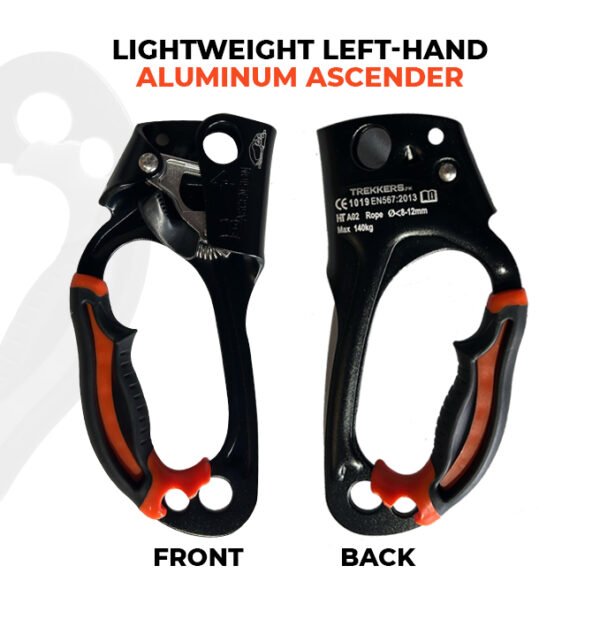
When you compare climbing gear, price often reflects material quality, durability, and design efficiency. A left hand ascender that uses high‑grade aluminum can deliver the same strength as heavier steel models while shaving off several grams of weight. Less weight means less fatigue, especially on multi‑pitch routes where every ounce counts.
TrekkersPK’s Lightweight Aluminum Left Hand Ascender hits the sweet spot between affordability and performance, offering an ergonomic grip that stays secure even when wet or dirty.
How does the lightweight aluminum construction affect performance?
- Reduced swing weight: The lighter device swings less, giving you a steadier ascent.
- Less fatigue: Your hand and arm expend less energy holding a lighter tool.
- Ease of transport: Packing a lightweight ascender frees up space for other essential gear.
Is the aluminum cam mechanism as reliable as steel?
Yes. The cam on the HT‑A01 is precision‑machined from hardened aluminum, providing a tight bite on standard rope diameters without crushing the fibers. The design locks instantly, delivering the same level of safety you’d expect from a steel counterpart.
How do you properly use a left hand ascender on a climb?
- Inspect the cam and rope for damage before each use.
- Open the cam lever and slide the rope through the slot, ensuring the rope sits fully in the cam groove.
- Close the cam; you should feel a firm click indicating the lock is engaged.
- Grip the ergonomic handle with your left hand, keeping your thumb wrapped around the base for extra control.
- Pull the rope with your right hand while stepping up with your left foot, allowing the cam to roll smoothly.
Practice these steps on a low‑angle wall before tackling a technical route. If you’re new to ascenders, consider pairing this device with a dynamic climbing rope for added shock absorption.
What other gear complements a left hand ascender?
- High Strength Dynamic Climbing Rope – offers elasticity that reduces impact forces.
- Carabiner Aviation Aluminum Snap Hook – lightweight and easy to clip.
- Pre‑Trip Safety Checklist with a Left Hand Ascender – ensures you’re prepared for every ascent.
How does this ascender compare to other common options?
The table shows that the HT‑A01 delivers comparable performance at a lower price and weight, making it an excellent value for budget‑focused climbers.
What maintenance does a lightweight aluminum ascender need?
Regular maintenance extends the life of any climbing device. For the HT‑A01:
- Rinse with fresh water after exposure to salt or mud.
- Dry thoroughly to prevent moisture buildup.
- Apply a light coat of silicone spray to the cam for smoother operation.
- Inspect the cam teeth and locking mechanism before each climb; replace if any wear is evident.
Following these steps helps retain the device’s grip strength and prevents premature wear.
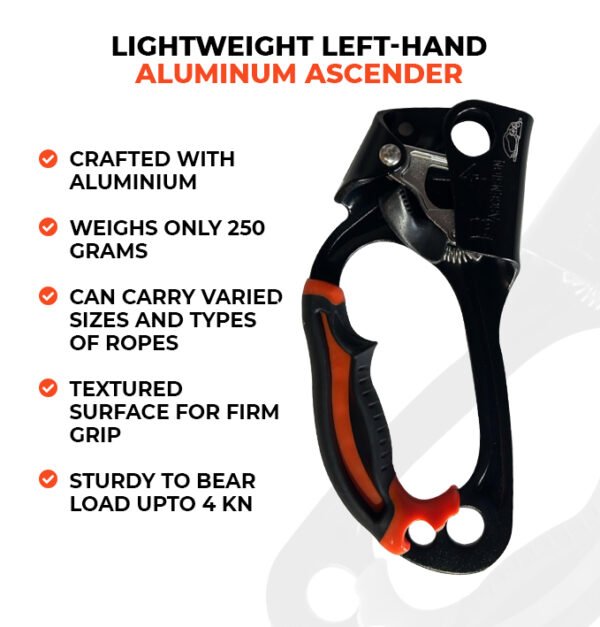
When is a left hand ascender the best choice?
Left‑hand ascenders shine in scenarios where you need one‑handed control while the other hand is occupied—such as:
- Technical caving where you juggle rope and tools.
- Tree climbing where your right hand holds a safety line.
- Rescue operations that require rapid ascents with limited hand availability.
Because the device is designed for left‑hand use, it allows you to maintain a natural climbing stance and reduces the chance of accidental rope release.
What are the safety considerations for using a left hand ascender?
Safety is paramount. Always follow the manufacturer’s instructions, regularly inspect the gear for damage, and practice proper technique under supervision before using it in a real environment. If you’re unsure about any step, seek training from a certified instructor.
Conclusion: Is the budget‑friendly aluminum ascender worth it?
For climbers who value both performance and price, the Lightweight Aluminum Left Hand Ascender from TrekkersPK offers a compelling mix of durability, ergonomics, and low weight. Its cost‑effective design does not compromise safety, making it a smart investment for anyone looking to stretch their climbing budget without sacrificing quality.
⚖️ Quick Verdict & Analysis: Lightweight Aluminum Left Hand Ascender
✓ Pros & Highlights
- Very light, reducing fatigue on long climbs.
- Ergonomic grip stays secure in wet or dirty conditions.
- High corrosion resistance extends service life.
- Competitive price offers professional performance for beginners.
⚠️ Key Considerations
- Limited to left‑hand use; may feel awkward for right‑hand dominant climbers.
- Not suitable for ropes outside the 9‑12 mm diameter range.
Frequently asked questions
Can I use the left hand ascender with any rope type?
It works best with standard dynamic climbing ropes within the 9‑12 mm diameter range; using it on too thin or too thick ropes can reduce cam efficiency.
How often should I inspect the cam mechanism?
Inspect before every climb, looking for worn teeth, corrosion, or any deformation that could affect grip.
Is the ascender compatible with a harness’s belay loop?
Yes, you
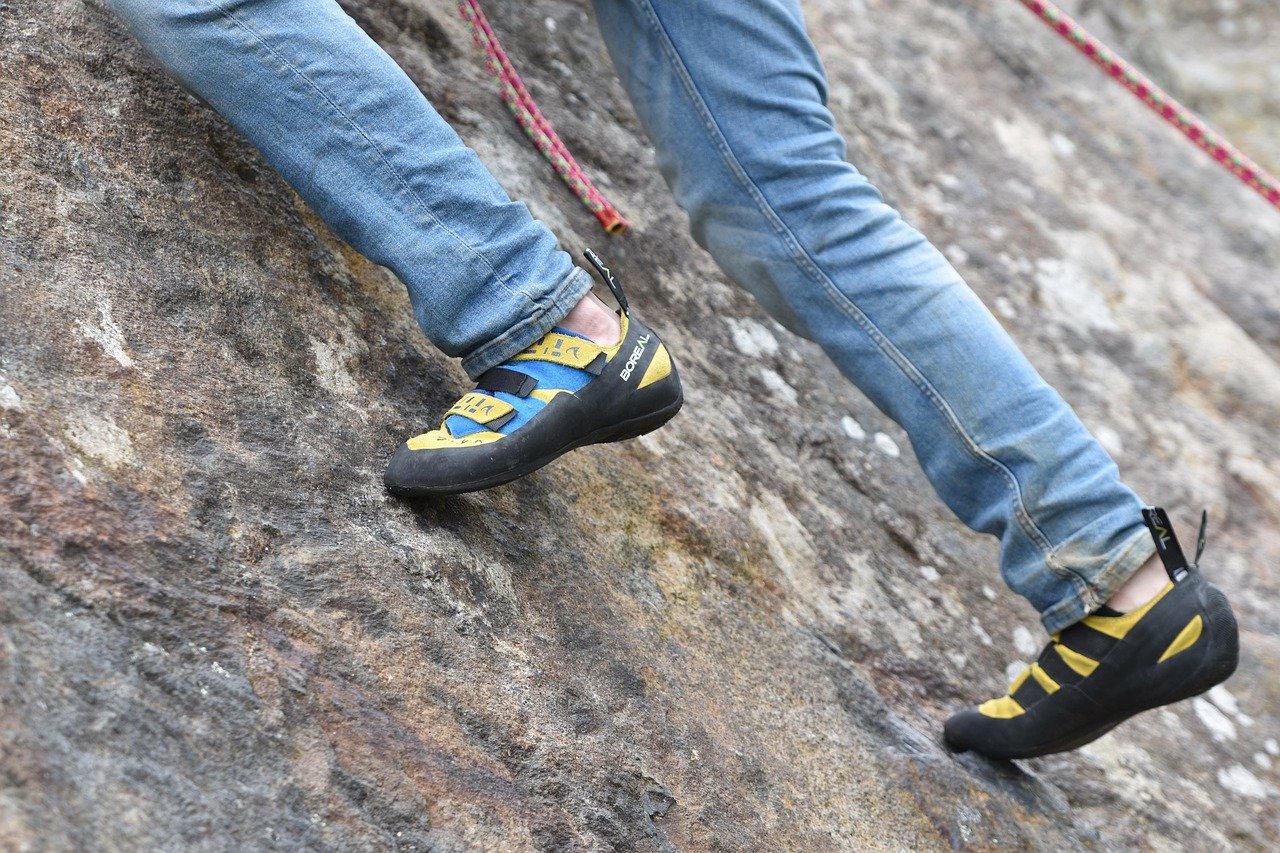
Photos via Pixabay (JACLOU-DL)
Explore More Field Protocols

Seasonal Use Guide for Aviation Aluminum Snap Hook
Discover practical tips for using the Aviation Aluminum Snap Hook safely in cold, wet, hot, and salty conditions, plus a quick maintenance checklist.

Avoid Common Beginner Errors with Dynamic Climbing Rope
Discover the most frequent beginner slip‑ups when using a dynamic climbing rope and get clear, actionable steps to climb safely and confidently.
