

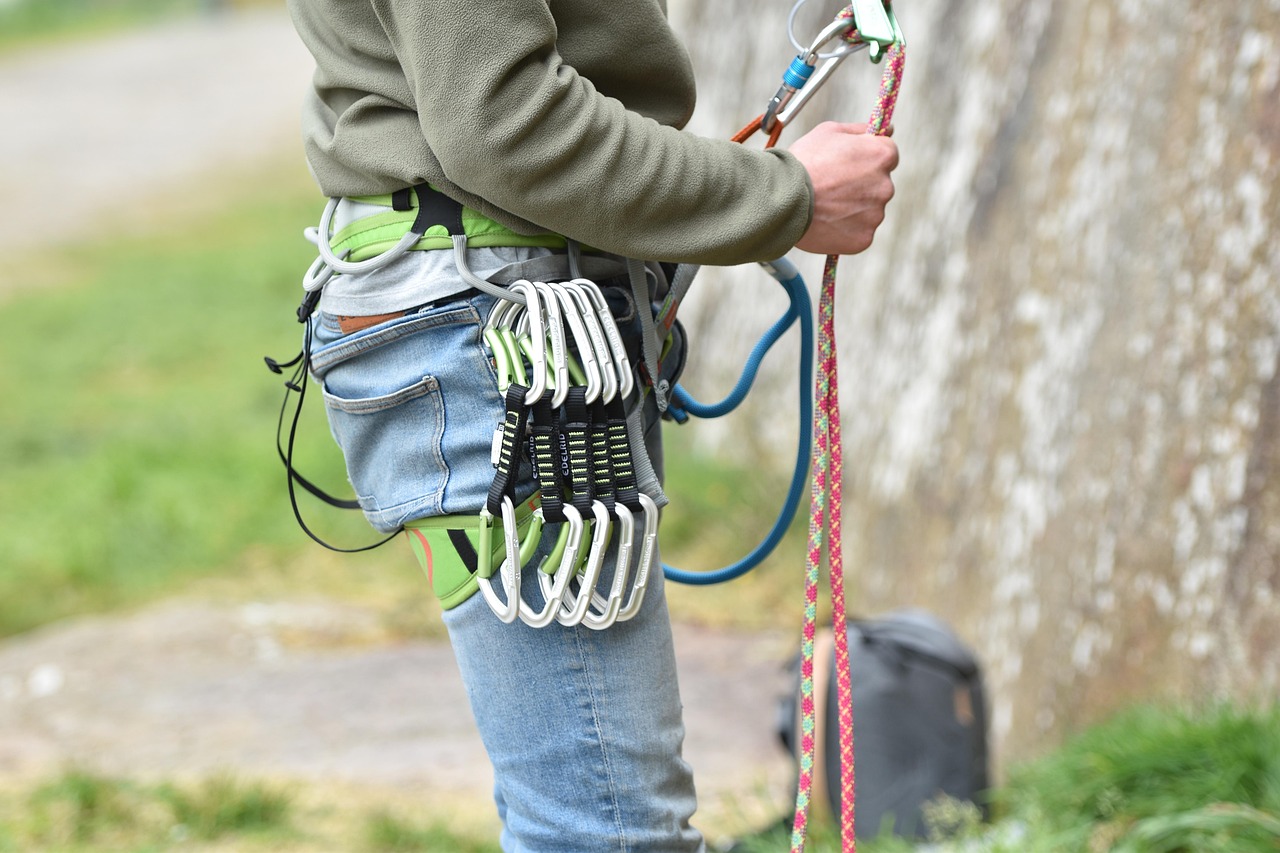
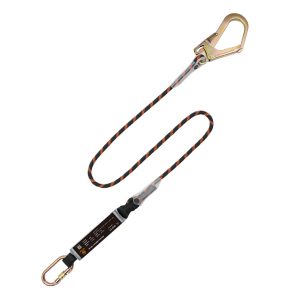
A Single Leg Safety Lanyard is a personal fall‑arrest device that connects a worker’s harness to a secure anchor point, limiting fall distance and absorbing shock. TrekkersPK’s 1.8 m lanyard provides dual‑end connectors, a 32 kN breaking strength, and CE‑certified components to keep you safe during climbing or work at height.
💡 Key Takeaways & Summary
- Dual‑end design with aluminum hooks simplifies secure attachment.
- m length balances reach and maneuverability while limiting free‑fall distance.
- Shock‑absorbing pack and 32 kN breaking strength meet CE EN355/EN354/EN362 standards.
What is a Single Leg Safety Lanyard and why is it essential?
A Single Leg Safety Lanyard is a compact fall‑arrest system designed for single‑point anchoring. It protects workers and climbers by reducing the impact force of a fall and limiting the distance traveled before the shock absorber engages.

How do you prepare the lanyard before use?
Proper preparation ensures the device functions as intended. Follow these pre‑use steps:
- Inspect the webbing for cuts, fraying, or discoloration.
- Check the aluminum hooks and snap carabiners for deformation or rust.
- Verify the CE markings (EN355, EN354, EN362) are present and legible.
- Confirm the shock‑absorbing pack is intact and not compressed.
If any defect is found, replace the lanyard immediately.
Which anchor points are suitable for a Single Leg Safety Lanyard?
Choosing a reliable anchor is critical. Acceptable anchors must:
- Support at least 5,000 lb (≈2,268 kg) load.
- Be positioned above head level to minimize fall distance.
- Be stable, non‑movable, and free of corrosion.
Common anchors include structural beams, reinforced columns, or certified climbing bolts.
Step‑by‑step: How to attach and use the lanyard safely
Follow this detailed procedure each time you work at height:
- Secure your harness. Adjust the full‑body harness snugly around the chest, waist, and legs according to the manufacturer’s guidelines.
- Select and verify the anchor. Ensure the anchor meets the 5,000 lb requirement and is free of damage.
- Connect the first end. Clip the 55 mm gate‑open steel hook (or snap hook) to the D‑ring of your harness. Lock the carabiner firmly.
- Attach the second end. Clip the opposite hook to the anchor point. Again, lock the connector securely.
- Check the system. Pull gently on both ends to confirm a firm connection. Verify that the lanyard hangs straight without twists.
- Maintain a safe work zone. Stay within the 1.8 m reach and avoid over‑reaching, which could increase fall distance.
- Monitor during use. Periodically re‑inspect the connectors and webbing for signs of wear.
For a visual overview, see the product page: Single Leg Safety Lanyard.

How does the shock‑absorbing pack work?
The built‑in energy absorber deploys during a fall, stretching the webbing to reduce the peak force transmitted to the user and anchor. This controlled deceleration helps prevent serious injuries and protects the anchor structure.
What are common mistakes to avoid?
Even experienced users can slip up. Avoid these pitfalls:
- Using a damaged or worn lanyard.
- Connecting the lanyard to a non‑rated anchor.
- Neglecting to lock carabiner gates.
- Exceeding the 1.8 m length, which increases free‑fall distance.
Read more about typical errors in our guide: Common Beginner Mistakes with a Single Leg Safety Lanyard.
How often should you inspect the lanyard?
Inspection frequency depends on usage intensity:
- Before each use – quick visual check.
- Monthly – detailed examination of stitching, hooks, and absorber.
- After any fall event – replace the lanyard regardless of visible damage.
For replacement guidelines, see: When to Replace a Single Leg Safety Lanyard.
Can the Single Leg Safety Lanyard be combined with other fall‑arrest gear?
Yes. It integrates well with a full fall‑arrest system, such as a rope‑grab or a self‑retracting lifeline. Pairing it with a Fall Arrest System provides redundancy and enhances overall safety.
What accessories complement the lanyard for a complete setup?
Consider adding these items from TrekkersPK:
- Carabiner Aviation Aluminum Snap Hook – extra backup connectors.
- Climbers Rescue Side Swing Aluminium Pulley – for rescue scenarios.
- Dyneema Sling: Ultimate Strength – versatile anchoring options.
What are the key safety reminders when using a Single Leg Safety Lanyard?
Always follow the manufacturer’s instructions, perform regular inspections, and receive proper training before working at height. Never compromise on anchor strength or connector lock‑up.
Conclusion: Why choose TrekkersPK’s Single Leg Safety Lanyard?
The combination of dual‑end aluminum hooks, 32 kN breaking strength, CE certification, and a 1.8 m optimal length makes this lanyard a reliable choice for climbers and workers alike. By following the step‑by‑step guide above, you can maximize protection and confidence on every ascent.
⚖️ Quick Verdict & Analysis: Single Leg Safety Lanyard 1.8m
✓ Pros & Highlights
- Dual‑end design offers flexible attachment options.
- High breaking strength (32 kN) exceeds many industry standards.
- Integrated shock absorber reduces impact forces.
- CE‑certified for EN355, EN354, EN362 compliance.
⚠️ Key Considerations
- Limited to single‑point anchoring; not suitable for complex rope systems.
- Requires regular inspection; wear can be hard to detect without experience.
Frequently asked questions
How long can I use a Single Leg Safety Lanyard before it needs replacement?
Inspect it before each use and replace it after any fall event or if you notice visible wear, fraying, or damaged connectors.
Is a 1.8 m length enough for most climbing routes?
Yes, 1.8 m provides ample reach while keeping the free‑fall distance short, which is ideal for most single‑pitch climbs and work‑at‑height tasks.
Can I use the lanyard with a harness that only has a waist D‑ring?
It is recommended to use a full‑body harness with chest and leg attachment points for optimal load distribution and safety.
What does the CE marking on the lanyard indicate?
CE marking shows the product complies with European safety standards (EN355, EN354, EN362) for fall‑arrest equipment.
Photos via Pixabay (JACLOU-DL, jellymarketing, 51581, Thomas43)
Explore More Field Protocols
High Strength Dynamic Climbing Rope vs Other Climbing Ropes
A detailed guide comparing the High Strength Dynamic Climbing Rope with other rope types, helping climbers decide the right rope for every adventure.
Aviation Aluminum Snap Hook FAQs: Safety, Use & Buying Tips
A quick, detailed FAQ covering safety, operation, maintenance, and buying advice for the Aviation Aluminum Snap Hook, the lightweight, lockable carabiner from TrekkersPK.

High Strength Dynamic Climbing Rope: Features Explained in Plain
A straightforward guide that breaks down every feature of the High Strength Dynamic Climbing Rope, showing exactly how they benefit climbers of all levels.