

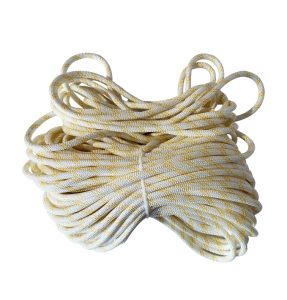
A High Strength Dynamic Climbing Rope is a flexible, shock‑absorbing rope designed to reduce the impact of falls for climbers and rescue professionals. TrekkersPK’s version offers a 9 mm diameter, EN892 certification, and lightweight durability, making it a reliable choice for most climbing scenarios.
💡 Key Takeaways & Summary
- Dynamic ropes absorb fall energy, unlike static ropes which are meant for fixed lines.
- Choose half ropes for long, multi‑pitch climbs where weight and rope drag matter.
- Twin ropes provide redundancy and are ideal for alpine routes with frequent rappels.
- The High Strength Dynamic Climbing Rope balances strength, lightness, and abrasion resistance.
What is a High Strength Dynamic Climbing Rope?
A High Strength Dynamic Climbing Rope is engineered to stretch under load, turning a harsh fall into a manageable deceleration. This specific rope from TrekkersPK features a 9 mm diameter, a first impact force of 9 kN, and meets EN892 standards for safety. Check out the full product specifications for details.

Its construction includes premium fibers that resist abrasion while remaining lightweight enough to fit comfortably in any rucksack. The ultrasonic cutting technology at the ends minimizes fraying, extending the rope’s usable life.
How does it differ from static ropes, half ropes, and twin ropes?
Understanding rope categories is essential for matching equipment to the climb. Below is a quick comparison:
Dynamic ropes like the one from TrekkersPK are the go‑to for situations where a fall is possible, while static ropes excel in scenarios that demand little to no stretch.
When should you choose a dynamic rope over other types?
- Fall potential: If the climb involves lead climbing or sections where a fall could occur, a dynamic rope is essential.
- Versatility: For mixed activities—sport routes, trad climbs, and rescue drills—a single dynamic rope covers most needs.
- Weight vs. safety trade‑off: While half and twin ropes are lighter, the dynamic rope offers superior shock absorption, which can outweigh the weight benefit on moderate‑length climbs.
For example, a climber tackling a 5‑day alpine itinerary might pair a dynamic rope with a half rope system for the longest sections, using the dynamic rope on more technical pitches.
Read more about rope safety in our High Strength Dynamic Climbing Rope Pre‑Trip Safety Checklist before heading out.
How do durability and handling compare across rope types?
Dynamic ropes are built with abrasion‑resistant sheaths, but because they stretch, they can wear faster on sharp edges. Static ropes, lacking stretch, often last longer in fixed‑line applications. Half and twin ropes share similar sheath technology, but using two ropes doubles the points of potential wear.
TrekkersPK’s dynamic rope uses an abrasion‑resistant design and ultrasonic‑cut ends, which together reduce fraying and extend service life, making it an economic investment for both climbers and rescue teams.
What accessories complement a High Strength Dynamic Climbing Rope?
- Carabiner Aviation Aluminum Snap Hook – lightweight and strong for quick anchoring.
- Climbers Rescue Side Swing Aluminium Pulley – essential for efficient rope handling during rescues.
- Lightweight Aluminum Left Hand Ascender – aids upward movement on steep terrain.

Choosing the right accessories enhances safety and performance, especially when the rope is used in demanding environments.
Is the High Strength Dynamic Climbing Rope suitable for beginners?
Yes. Its 9 mm diameter offers a balance of grip and flexibility, making it manageable for novice climbers while still meeting the rigorous demands of experts. The rope’s handling characteristics are forgiving, allowing beginners to focus on technique rather than battling a stiff line.
How to maintain and inspect your dynamic rope?
- After each climb, wipe the rope with a damp cloth to remove dirt and grit.
- Lay the rope flat in a cool, dry place away from direct sunlight.
- Inspect for cuts, abrasions, or discoloration before every use.
- Retire the rope if the core shows visible damage or if it has accumulated more than 10 % stretch beyond its original length.
Regular maintenance ensures the rope continues to perform within its certified safety parameters.
What are the key factors when deciding between rope types?
Consider the following:
- Climb style: Lead climbing → dynamic; rappelling → static.
- Route length: Long routes → half or twin ropes for reduced weight.
- Environmental conditions: Abrasive rock → rope with high wear resistance.
- Redundancy needs: Twin ropes provide double safety for alpine terrain.

By matching these criteria to the rope’s characteristics, you can make an informed decision that prioritizes safety without compromising performance.
Conclusion: Which rope should you pick?
If you need a versatile, reliable rope for most climbing activities, the High Strength Dynamic Climbing Rope from TrekkersPK is an excellent choice. For specialized alpine climbs where weight and redundancy are paramount, consider half or twin rope systems. Always align rope selection with the specific demands of your climb and your personal comfort level.
⚖️ Quick Verdict & Analysis: High Strength Dynamic Climbing Rope
✓ Pros & Highlights
- Excellent shock absorption reduces fall impact.
- Lightweight yet strong, easy to carry.
- Abrasion‑resistant sheath prolongs lifespan.
- Meets EN892 standards for safety.
⚠️ Key Considerations
- Slightly heavier than half or twin ropes for ultra‑light alpine trips.
- Higher cost than basic static ropes.
Frequently asked questions
Can I use a dynamic rope for rappelling?
Yes, but a static rope is preferred for rappelling because it stretches less, offering more control.
How often should I replace my dynamic climbing rope?
Replace it after severe falls, visible core damage, or if it shows more than 10 % permanent stretch.
Is a 9 mm diameter suitable for all climbers?
A 9 mm rope offers a good balance of grip and handling for both beginners and experienced climbers.
What does EN892 certification mean?
EN892 ensures the rope meets European safety standards for dynamic climbing ropes, covering strength, impact force, and durability.
Do I need a different rope for rescue work?
Rescue operations often use dynamic ropes like the High Strength Dynamic Climbing Rope for fall protection, but may also require static ropes for hauling or anchoring.
Photos via Pixabay (pixel2013, Kanenori, Alexas_Fotos, Ylanite)
Explore More Field Protocols

When to Replace Your Durable PVC Mesh Bag: Signs & Lifespan
Learn the clear signs that your Durable PVC Mesh Bag is past its prime and how long you can expect it to last with proper care.
Lightweight Aluminum Left Hand Ascender FAQs Answered
This article answers the top FAQs about the Lightweight Aluminum Left Hand Ascender, covering safety, performance, and how to choose the right model.
How to Use a Single Leg Safety Lanyard Safely – Step by Step
A detailed, step‑by‑step tutorial shows you how to attach, inspect, and operate a Single Leg Safety Lanyard safely, ensuring maximum protection on the job or the crag.