


A dynamic climbing rope is a flexible, shock‑absorbing rope designed to reduce the force of a fall during climbing. TrekkersPK’s High Strength Dynamic Climbing Rope combines a lightweight 9 mm core with superior abrasion resistance, making it ideal for a reliable pre‑trip safety routine. Using this rope as the foundation of your checklist ensures you start every ascent with confidence.
💡 Key Takeaways & Summary
- Verify rope condition and certifications before every climb.
- Pair the rope with compatible hardware such as carabiners, ascenders, and slings.
- Pack the rope in a way that prevents kinks and maintains easy access on the trail.
Why is a dynamic climbing rope essential in a pre‑trip safety checklist?
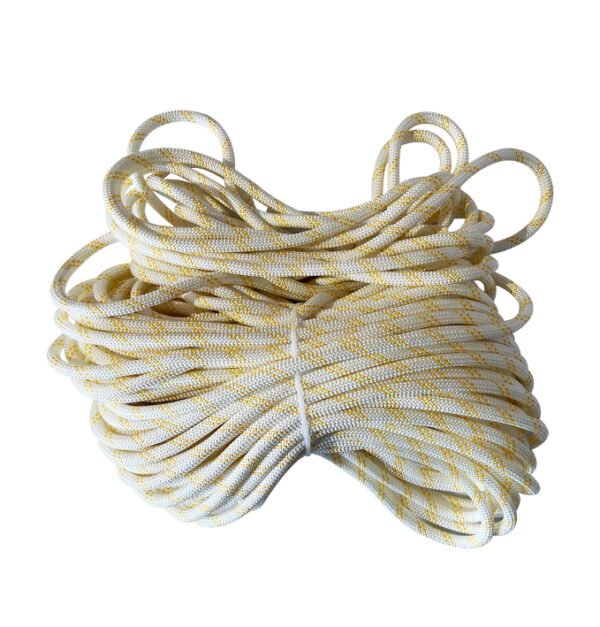
When you plan a climbing adventure, the rope is the single piece of equipment that directly protects you from the worst‑case scenario—a fall. A high‑quality dynamic climbing rope like the one offered by TrekkersPK provides the elasticity needed to absorb impact forces, reducing the shock transmitted to the climber and the anchor system.
Including the rope in your checklist forces you to perform critical inspections, verify compliance with EN892 standards, and ensure the rope’s performance matches the intended route difficulty.
What should you inspect on your dynamic climbing rope before the trip?
- Visual surface check: Look for cuts, abrasions, or discoloration along the sheath.
- Core integrity: Run your fingers along the rope to feel for soft spots or broken fibers.
- End caps and knots: Ensure the rope ends are properly capped and that any knots are neat and correctly tied.
- Certification tag: Confirm the rope still bears its EN892 label and that the manufacture date is within the recommended service life.
Any sign of damage means the rope should be retired or sent for professional inspection.
How do you pack a 9 mm dynamic rope for optimal performance?
- Coil method: Use the mountaineering coil to keep the rope compact and free of twists.
- Bag selection: Choose a breathable rope bag with a zippered closure to protect against moisture.
- Separate from abrasive gear: Store the rope away from metal hardware that could cause wear.
Proper packing not only preserves the rope’s lifespan but also speeds up deployment when you reach the crag.
Which complementary gear should you double‑check alongside the rope?
Pairing the right hardware with your dynamic rope creates a cohesive safety system. Below are essential items to verify:
- Carabiner Aviation Aluminum Snap Hook – ensure the gate closes smoothly and the locking mechanism functions.
- Lightweight Aluminum Left Hand Ascender – check for wear on the cam and that the rope runs freely.
- Dyneema Sling: Ultimate Strength – inspect for cuts and confirm the stitching is intact.
- Fall Arrest System – verify the brake device is calibrated and the harness is undamaged.
How does the High Strength Dynamic Climbing Rope compare to other rope types?
The dynamic rope’s shock‑absorbing qualities make it the safest choice for routes where falls are likely, while still offering the durability needed for rugged environments.
How do you secure reliable anchors with your dynamic rope?
Anchors are the backbone of a safe climb. Follow these steps to integrate your rope effectively:
- Identify solid natural features (rock horns, cracks) or placed protection.
- Thread the rope through each anchor point, ensuring a minimum of three independent points.
- Use a Double Adjustable Progression Lanyard to equalize load and reduce shock on the rope.
- Apply a clove hitch or figure‑eight follow‑through knot to lock the rope in place.
Proper anchoring maximizes the rope’s shock‑absorption performance and reduces the risk of anchor failure.
What routine maintenance should you perform after each climb?
- Clean the rope: Gently rinse with lukewarm water and mild soap; avoid harsh detergents.
- Dry thoroughly: Hang the rope in a shaded, well‑ventilated area to prevent mildew.
- Store correctly: Keep the rope in its original bag, away from direct sunlight and chemicals.
Regular maintenance extends the rope’s service life and keeps it ready for the next adventure.
Final checklist before you head out
- Inspect rope for damage and confirm EN892 tag.
- Test all hardware (carabiners, ascenders, slings) for smooth operation.
- Pack rope using the mountaineering coil inside a breathable bag.
- Verify anchor points on the route and plan backup options.
- Review emergency procedures and rescue plan.
Following this checklist ensures that your natural anchor – the dynamic climbing rope – works in harmony with the rest of your gear, giving you the confidence to climb safely.
Conclusion: Confidence starts with preparation
Investing time in a thorough pre‑trip safety checklist transforms a good climb into a great one. By prioritizing the inspection, packing, and integration of your High Strength Dynamic Climbing Rope, you lay a solid foundation for every ascent. Remember, safety is a habit, not a one‑time check.
⚖️ Quick Verdict & Analysis: High Strength Dynamic Climbing Rope
✓ Pros & Highlights
- Excellent shock absorption reduces fall forces dramatically.
- Lightweight 9 mm design balances strength and packability.
- High abrasion resistance extends rope lifespan in harsh terrain.
⚠️ Key Considerations
- Premium price may be higher than entry‑level ropes.
- Requires regular inspection to maintain safety standards.
Frequently asked questions
How often should I replace a dynamic climbing rope?
Even with careful use, most manufacturers recommend retiring a rope after 5 years or after a serious fall that exceeds 5 % of its impact force. Regular visual inspections can help you decide earlier.
Can I use the High Strength Dynamic Climbing Rope for rappelling?
Yes, but because it is designed for dynamic loading, it will stretch more than a static rope, which can make rappelling feel less controlled. Many climbers carry a separate static rope for heavy‑load rappels.
What does the first impact force of 9 kN mean for safety?
The first impact force (FIF) measures the maximum force transmitted to the climber and anchor during a fall. A 9 kN rating indicates the rope limits peak force to a level considered safe for most sport and trad routes.
Is ultrasonic cutting technology necessary for rope ends?
Ultrasonic cutting creates a clean, fray‑free end, which helps maintain rope integrity and makes tying knots easier. While not mandatory, it adds longevity and reliability.
How do I know if my rope meets EN892 standards?
Look for the EN892 certification label on the rope’s tag. This label confirms the rope has passed
Explore More Field Protocols
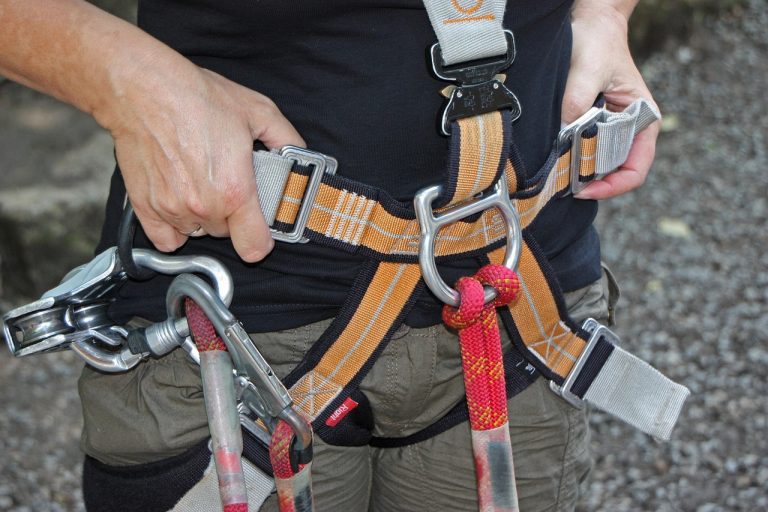
Common Beginner Mistakes with a Single Leg Safety Lanyard
Discover common errors new users make with a Single Leg Safety Lanyard and practical steps to prevent accidents.
Read Full Guide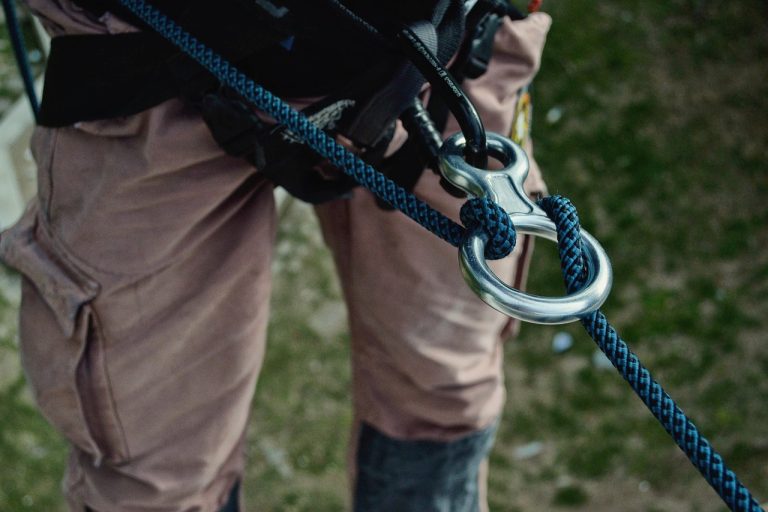
Full Body Safety Harness Features Explained in Simple Terms
A plain‑language guide that breaks down every feature of the Full Body Safety Harness, showing exactly how each part protects you on the climb or job site.
Read Full Guide
Building a Safe Kit: Fall Arrest System Setup Guide
A step-by-step guide to assembling a reliable fall arrest system kit. Discover how to pair the device with ropes, carabiners, and slings for maximum safety during technical descents.
Read Full Guide