

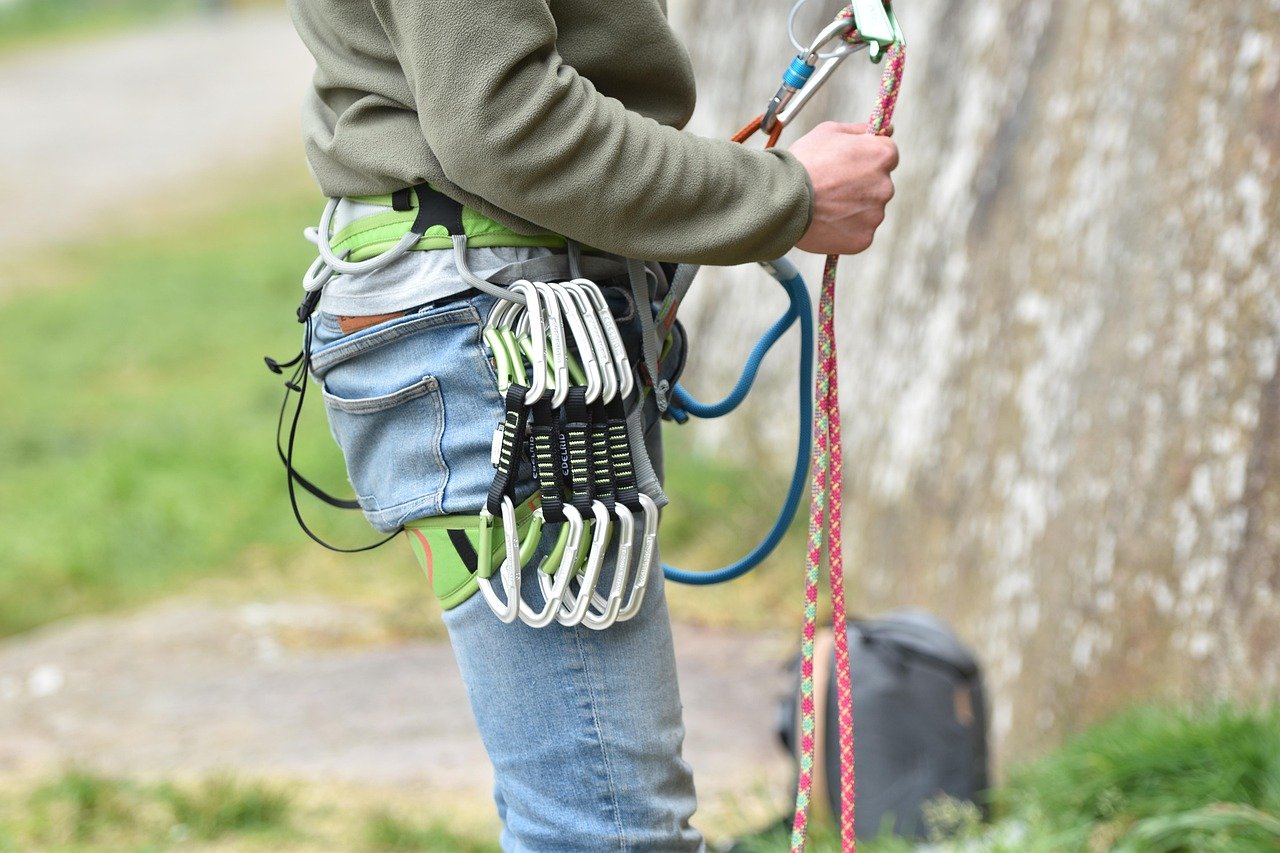
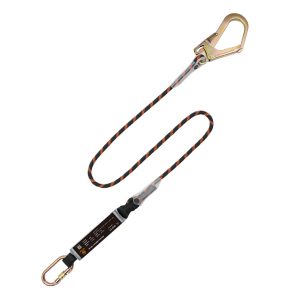
A Single Leg Safety Lanyard is a personal fall‑arrest device that connects a climber’s harness to an anchor point with a built‑in shock absorber. TrekkersPK’s 1.8 m model delivers high strength and CE‑certified protection at an affordable price, making it a smart choice for budget‑conscious climbers.
💡 Key Takeaways & Summary
- CE‑certified construction ensures compliance with EN355, EN354, and EN362 standards.
- kN breaking strength provides a large safety margin for most climbing and work‑at‑height tasks.
- The 1.8 m length balances reach and reduced free‑fall distance, enhancing both mobility and safety.
- Dual‑end connectors (snap hooks and aluminum carabiners) simplify attachment and inspection.
- At $26, it offers a cost‑effective entry point without compromising durability.
What makes a Single Leg Safety Lanyard a good value?
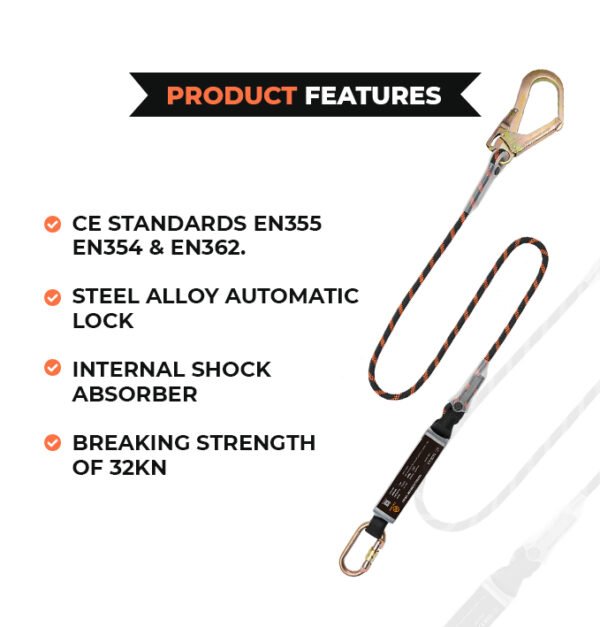
When you compare price to performance, the Single Leg Safety Lanyard stands out because it packs several high‑end features into a budget‑friendly package. The lanyard’s polyamide webbing, 32 kN breaking strength, and CE‑certified shock absorber are specifications you’d normally expect from gear costing twice as much.
Beyond raw numbers, value is also about reliability. A well‑designed lanyard reduces the need for frequent replacements, saving money and time in the long run. For climbers or workers who need to trust their equipment day after day, that reliability translates directly into cost savings.
How does the 1.8 m length affect performance and price?
The 1.8 meter (approximately 6 feet) length is a sweet spot. It gives you enough reach to move around a scaffold or rock face while keeping the potential fall distance short. Shorter lanyards can feel restrictive, and longer ones increase the energy a shock absorber must dissipate, which can raise the price of the absorber component.
Because TrekkersPK has optimized the length for most single‑person applications, the lanyard stays lightweight and affordable without sacrificing safety.
How does the shock‑absorbing pack work?
The built‑in energy absorber is a spring‑type device that elongates under load, spreading the force of a fall over a longer time period. This reduces peak impact on both the user and the anchor point. The absorber is calibrated to work with the 32 kN breaking strength, ensuring that even a severe fall stays within safe limits.
Regular inspection of the absorber for signs of wear or corrosion is essential. A well‑maintained pack will retain its performance for years, further enhancing the gear’s overall value.
Which accessories complement a Single Leg Safety Lanyard?
- Carabiner Aviation Aluminum Snap Hook – perfect for quick, secure connections.
- High Strength Dynamic Climbing Rope – pairs well for rope‑access work.
- Fall Arrest System – creates a complete safety solution for larger projects.
These accessories are designed to work seamlessly with the lanyard’s connectors, making the whole system more efficient and cost‑effective.
Is the Single Leg Safety Lanyard suitable for both climbing and industrial use?
Yes. The lanyard meets CE standards that are recognized in both recreational climbing and occupational safety. Its dual‑end design – featuring a 55 mm gate‑open steel hook on one side and a snap hook on the other – allows it to be attached to a full‑body harness on one end and an anchor point or scaffold on the other.
Because the materials (nylon/polyester webbing and aluminum hardware) resist UV, abrasion, and chemicals, the lanyard can handle the harsher conditions often found on construction sites as well as the variable weather on a mountain face.
How does this lanyard compare to a dual‑leg system?
For most solo climbers and maintenance workers, the single‑leg option provides sufficient safety while keeping the price and weight down. Dual‑leg systems become valuable when multiple workers share the same anchor point.
What should you look for when inspecting a used or new lanyard?
- Check the webbing for cuts, fraying, or discoloration.
- Inspect the metal hooks and carabiners for bends, corrosion, or worn locking mechanisms.
- Test the shock absorber by pulling it gently; it should extend smoothly without jerky motions.
- Verify the CE markings and serial numbers on the hardware.
Following these steps ensures the lanyard remains reliable, extending its service life and protecting your investment.
How can you maximize the lifespan of your Single Leg Safety Lanyard?
Proper storage and routine maintenance are key. Keep the lanyard away from direct sunlight, chemicals, and sharp edges. After each use, clean it with mild soap and water, then dry it completely before storage. Rotate the lanyard with other gear to avoid over‑use on a single unit.
By treating the lanyard as a critical piece of safety equipment rather than a disposable accessory, you’ll get many years of dependable performance – a true indicator of value.
Conclusion: Is the price justified?
At $26, the Single Leg Safety Lanyard offers a combination of high breaking strength, CE certification, and user‑friendly connectors that are rarely found together at this price point. For climbers, rope‑access workers, and anyone needing reliable fall protection on a budget, it delivers exactly what you pay for – safety, durability, and peace of mind.
⚖️ Quick Verdict & Analysis: Single Leg Safety Lanyard 1.8m
✓ Pros & Highlights
- CE‑certified to EN355, EN354, and EN362 standards.
- High 32 kN breaking strength ensures a large safety margin.
- Dual‑end connectors simplify attachment and reduce setup time.
⚠️ Key Considerations
- Limited to single‑user applications; not ideal for team fall‑arrest scenarios.
- Shock absorber may require periodic replacement after heavy use.
Frequently asked questions
What is the recommended anchor strength for this lanyard?
The anchor should be rated for at least 5,000 lb (≈2,268 kg) to safely support a fall arrest.
Can I use the lanyard with a full‑body harness?
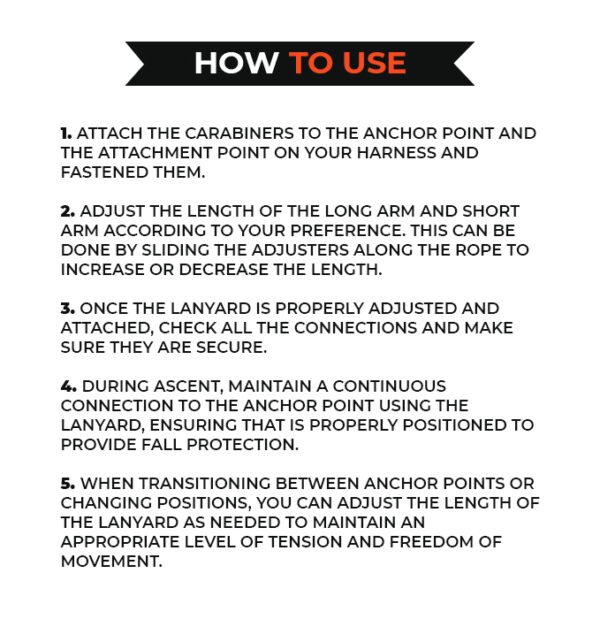
Yes, attach the karabiner on the lanyard’s energy absorber to the harness’s attachment point and lock it securely.
How often should I inspect the shock absorber?
Inspect before each use and perform a detailed check monthly; replace if you notice reduced extension or visible damage.
Is the lanyard suitable for winter climbing?
The polyamide webbing resists cold temperatures, but keep it dry and avoid ice buildup on the connectors.
Can I use this lanyard for rescue operations?
While it meets safety standards, rescue scenarios often require specialized equipment; consult a professional before using it for rescue.
Explore More Field Protocols

Pre‑Trip Safety Checklist with a Left Hand Ascender
A thorough pre‑trip safety checklist that includes the right ascender can prevent accidents, reduce fatigue, and boost confidence on the wall.
Read Full Guide
Durable PVC Mesh Bag: Budget, Value, and Quality Guide
A practical, water‑resistant 45L PVC mesh bag that delivers high durability and smart features without breaking the bank, perfect for campers and climbers.
Read Full Guide
Dynamic Climbing Rope Features Explained for Safe Climbing
A clear, jargon‑free guide to the most important features of a high‑strength dynamic climbing rope, helping you choose the right gear for safe and enjoyable climbs.
Read Full Guide