


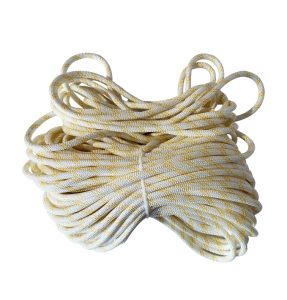
A dynamic climbing rope is a flexible, shock‑absorbing rope designed to stretch during a fall, reducing impact forces for the climber. TrekkersPK’s High Strength Dynamic Climbing Rope combines lightweight construction with premium durability, making it suitable for both sport climbing and rescue work.
💡 Key Takeaways & Summary
- The 9 mm diameter offers a balance of strength, handling, and low weight.
- Shock‑absorption reduces the force felt by the climber in a fall, enhancing safety.
- Wear‑resistant construction and ultrasonic‑cut ends extend the rope’s service life.
- Meets EN892 standards, ensuring it passes rigorous industry safety tests.
- Lightweight design makes packing and transport easy for multi‑day trips.
What is a dynamic climbing rope and why does it matter?
A dynamic climbing rope is engineered to stretch under load, which means it can absorb the energy of a fall and lessen the impact on both the climber and the anchor system. This elasticity is what separates a dynamic rope from a static rope, which is intended for hauling gear and does not stretch. Check out the full product specifications for details.

How does shock absorption protect me during a fall?
When a climber falls, the rope elongates slightly, turning kinetic energy into elastic energy. The shock‑absorption feature of the High Strength Dynamic Climbing Rope limits the first impact force to around 9 kN, a level that is comfortable for most climbers and reduces stress on anchors.
What does the 9 mm diameter mean for handling and weight?
A 9 mm rope is considered a “thin” rope in the climbing world. It offers:
- Lightweight performance – easier to carry on long approaches.
- Improved handling – less bulk in the belay device, making clipping and lowering smoother.
- Adequate strength – still meets the EN892 safety standard for single ropes.
Why is wear resistance important for a climbing rope?
Climbing environments can be abrasive: sharp edges, rock pits, and frequent rubbing against gear. The rope’s abrasion‑resistant sheath protects the core fibers, extending the rope’s usable life and keeping the dynamic stretch characteristics consistent over many climbs.
What is ultrasonic cutting rope end technology?
Traditional rope ends are cut with a blade, which can leave frayed fibers that weaken over time. The ultrasonic cutting method melts the fibers cleanly, creating a smooth, sealed edge that reduces fraying and helps maintain the rope’s strength at the termination point.
How does the rope meet EN892 standards?
EN892 is the European standard for single climbing ropes. To pass, a rope must demonstrate:
- Minimum tensile strength (often > 25 kN).
- Maximum impact force limits (≤ 12 kN for many ropes).
- Resistance to dynamic and static loads over repeated cycles.
The High Strength Dynamic Climbing Rope complies with all these criteria, giving you confidence that the rope has been rigorously tested.
How do I properly anchor the rope for maximum safety?
Choosing solid anchor points—such as natural rock features, bolts, or well‑placed pitons—ensures the rope’s shock‑absorption works as intended. A secure anchor distributes the load, preventing sudden shifts that could increase impact forces.
What additional gear works best with this rope?
Pairing the rope with reliable hardware enhances overall system safety:
- Carabiner Aviation Aluminum Snap Hook – lightweight and strong for quick connections.
- Climbers Rescue Side Swing Aluminium Pulley – smooth rope movement during rescue lifts.
- Lightweight Aluminum Left Hand Ascender – efficient ascent on steep terrain.
- Fall Arrest System – adds an extra layer of protection for work-at-height scenarios.

How to inspect and maintain the High Strength Dynamic Climbing Rope
Regular inspection prolongs rope life and ensures safety. Follow these steps before and after each outing:
- Lay the rope flat on a clean surface.
- Check for visible cuts, abrasions, or discoloration.
- Feel for soft spots or areas that don’t return to shape after a gentle stretch.
- Inspect the rope ends for fraying, especially if they were cut manually.
- Store the rope in a cool, dry place away from direct sunlight.
If you notice any damage, retire the rope immediately. Even minor wear can compromise shock absorption.
What are the real‑world benefits of the rope’s key features?
Is the rope suitable for rescue work?
Yes. The rope’s high tensile strength, low impact force, and abrasion resistance make it a reliable choice for professional rescue teams. Its lightweight nature also eases transport to remote incident sites.
What are the limitations I should be aware of?
While the rope excels in many areas, keep these points in mind:
- At 9 mm, the rope may feel thin for very heavy climbers who prefer a thicker line for added comfort.
- Dynamic ropes are not designed for static loads such as hauling gear for long distances; a static rope would be more efficient for that purpose.

Final thoughts on choosing a dynamic rope
When selecting a rope, balance your climbing style, typical routes, and safety priorities. The High Strength Dynamic Climbing Rope from TrekkersPK offers a strong mix of lightweight performance, shock absorption, and durability, making it a solid all‑round choice for sport climbing, trad routes, and rescue scenarios.
Safety reminder
Always follow the manufacturer’s instructions, inspect your gear before each use, and seek proper training on rope handling and belaying techniques. Proper use and regular maintenance are essential for staying safe on the rock.
⚖️ Quick Verdict & Analysis: High Strength Dynamic Climbing Rope
✓ Pros & Highlights
- Excellent shock absorption reduces fall impact.
- Lightweight 9 mm design is easy to pack and handle.
- Wear‑resistant sheath and ultrasonic‑cut ends extend lifespan.
- Meets EN892 standards for verified safety.
⚠️ Key Considerations
- May feel thin for heavier climbers seeking extra cushioning.
- Not intended for static hauling or long‑distance rope work.
Frequently asked questions
How many falls can a dynamic climbing rope typically endure?
Most dynamic ropes are rated for at least 5–7 major falls before their performance degrades, but regular inspection is essential.
Can I use a dynamic rope for rope rescue operations?
Yes, dynamic ropes like this one are suitable for rescue because of their strength and shock‑absorbing qualities, though specific rescue protocols should be followed.
What is the recommended storage method for a climbing rope?
Store the rope loosely coiled in a cool, dry place away from direct sunlight and chemicals; avoid compressing it in tight bags for long periods.
Does the rope work with all belay devices?
The 9 mm diameter is compatible
Photos via Pixabay (erikamarcialm, sasint, neelam279, Julius_Silver)
Explore More Field Protocols
Why a Single Leg Safety Lanyard Is Worth the Investment
A budget‑friendly climber can get top‑tier protection without overspending by choosing a quality Single Leg Safety Lanyard that meets CE standards and delivers reliable shock absorption.
Read Full Guide
Pre‑Trip Safety Checklist with a Left Hand Ascender
A thorough pre‑trip safety checklist that includes the right ascender can prevent accidents, reduce fatigue, and boost confidence on the wall.
Read Full Guide
Durable PVC Mesh Bag: Budget, Value, and Quality Guide
A practical, water‑resistant 45L PVC mesh bag that delivers high durability and smart features without breaking the bank, perfect for campers and climbers.
Read Full Guide