


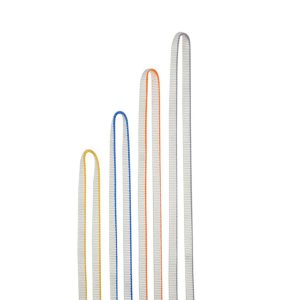
A Dyneema sling is a lightweight, ultra‑durable climbing sling made from high‑strength Dyneema fibers, offering exceptional abrasion and UV resistance. TrekkersPK offers these slings in four lengths for versatile anchor and rigging applications. They provide a high strength‑to‑weight ratio while remaining low‑stretch for precise control.
💡 Key Takeaways & Summary
- Dyneema slings combine high strength with minimal weight and stretch.
- UV and moisture resistance keep performance consistent in harsh conditions.
- Four length options (60 cm, 80 cm, 120 cm, 150 cm) cover most anchoring and rigging needs.
- Abrasion resistance makes them ideal for rough rock and cable contact.
- Proper inspection and training are essential for safe use.
What makes a Dyneema sling different from other climbing slings?

Dyneema slings are sewn from ultra‑high‑molecular‑weight polyethylene (UHMWPE) fibers. This material gives them a higher strength‑to‑weight ratio than traditional nylon or polyester webbing, while also providing virtually no stretch.
Key differences include:
- Weight: Approximately 30% lighter than comparable nylon slings.
- Stretch: Less than 2% elongation under load, giving predictable behavior.
- Abrasion resistance: Dyneema’s slick surface resists wear on rough edges.
- UV protection: Natural resistance to sun degradation, maintaining strength over years of exposure.
How do I choose the right length for my climbing or rigging task?
TrekkersPK provides four lengths, each suited to specific scenarios. Selecting the correct length improves safety and efficiency.
When in doubt, start with the 80 cm size; it covers the majority of sport‑climbing needs while remaining easy to carry.
Can I use a Dyneema sling as a replacement for a rope?
No. Dyneema slings are designed for anchoring, extending, and protecting gear, not for bearing the full dynamic loads of a climbing rope. Always use a certified dynamic rope for belaying and lead climbing.
How should I attach a Dyneema sling to an anchor point?
Follow these steps for a secure connection:
- Identify a solid, load‑bearing anchor (e.g., bolt, natural rock feature).
- Loop one end of the sling around the anchor, ensuring the webbing lies flat without twists.
- Pass the free end through the sewn loop and pull tight, creating a double‑wrap if extra security is needed.
- Double‑check that the sling is fully seated and that the natural anchor is free of sharp edges that could cut the webbing.
After each use, inspect the stitching and the fibers for signs of wear, UV fading, or cuts.
Is a Dyneema sling safe for rescue or fall‑arrest applications?
Dyneema slings are frequently used in rescue rigs because of their low stretch and high load capacity. However, they should only be employed by trained professionals who understand load distribution and redundancy.
For dedicated rescue systems, consider pairing a Dyneema sling with a Fall Arrest System and a reliable carabiner such as the Carabiner Aviation Aluminum Snap Hook.
How does weather affect Dyneema sling performance?
Dyneema’s inherent water‑repellent properties mean that strength is largely retained when wet. UV resistance ensures that prolonged sun exposure does not significantly degrade the fibers. Nevertheless, prolonged exposure to chemicals, extreme heat, or abrasive sand can reduce lifespan.
What maintenance and inspection routine should I follow?
Regular checks extend the life of your slings:
- Before each climb, run your fingers along the entire length to feel for cuts or fraying.
- Inspect stitching for broken or loose threads.
- Look for discoloration that may indicate UV damage.
- Replace any sling that shows signs of compromise, even if the damage appears minor.
Store slings in a cool, dry place away from direct sunlight when not in use.
How do Dyneema slings compare to other common slings?
Below is a quick comparison of Dyneema versus nylon and polyester slings:
While Dyneema slings carry a slightly higher price tag, their performance benefits often justify the investment for serious climbers and riggers.
Where can I buy Dyneema slings and complementary gear?
TrekkersPK stocks the full range of Dyneema slings and offers related equipment to round out your kit:
- High Strength Dynamic Climbing Rope
- Lightweight Aluminum Left Hand Ascender
- Climbers Rescue Side Swing Aluminium Pulley

Choosing the right combination of rope, slings, and hardware ensures a balanced, safe system for both sport climbing and technical rescue.
What are the most common mistakes beginners make with Dyneema slings?
New climbers often:
- Use a sling that’s too short for the anchor, creating excessive rope angle.
- Fail to double‑wrap the sling around sharp edges, leading to cuts.
- Neglect regular inspections, allowing hidden damage to go unnoticed.
Addressing these habits early builds good safety habits.

Conclusion: Are Dyneema slings worth the investment?
For climbers
Frequently asked questions
How should this gear be inspected before each use?
Always inspect all load-bearing points, stitching, gates, and surface wear before each activity. Retire any gear showing excessive abrasion or deformation.
What is the recommended storage routine?
Store equipment in a cool, clean, dry environment away from direct sunlight, extreme heat, and corrosive chemicals.
Who is this gear best suited for?
It is designed for outdoor enthusiasts, climbers, and professionals seeking reliable performance and safety compliance.
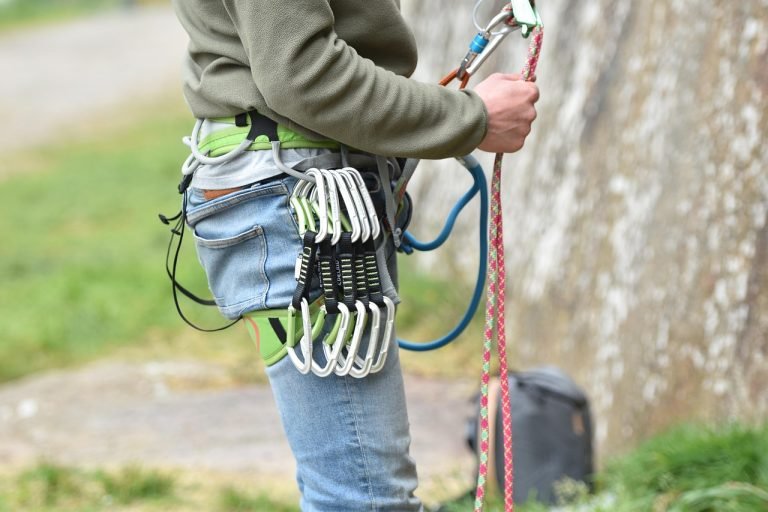
Photos via Pixabay (Simon, Taimako_Samuel_auta, Chikilino, Alexandra_Koch)
Explore More Field Protocols
Why a Single Leg Safety Lanyard Is Worth the Investment
A budget‑friendly climber can get top‑tier protection without overspending by choosing a quality Single Leg Safety Lanyard that meets CE standards and delivers reliable shock absorption.
Read Full Guide
Pre‑Trip Safety Checklist with a Left Hand Ascender
A thorough pre‑trip safety checklist that includes the right ascender can prevent accidents, reduce fatigue, and boost confidence on the wall.
Read Full Guide
Durable PVC Mesh Bag: Budget, Value, and Quality Guide
A practical, water‑resistant 45L PVC mesh bag that delivers high durability and smart features without breaking the bank, perfect for campers and climbers.
Read Full Guide