

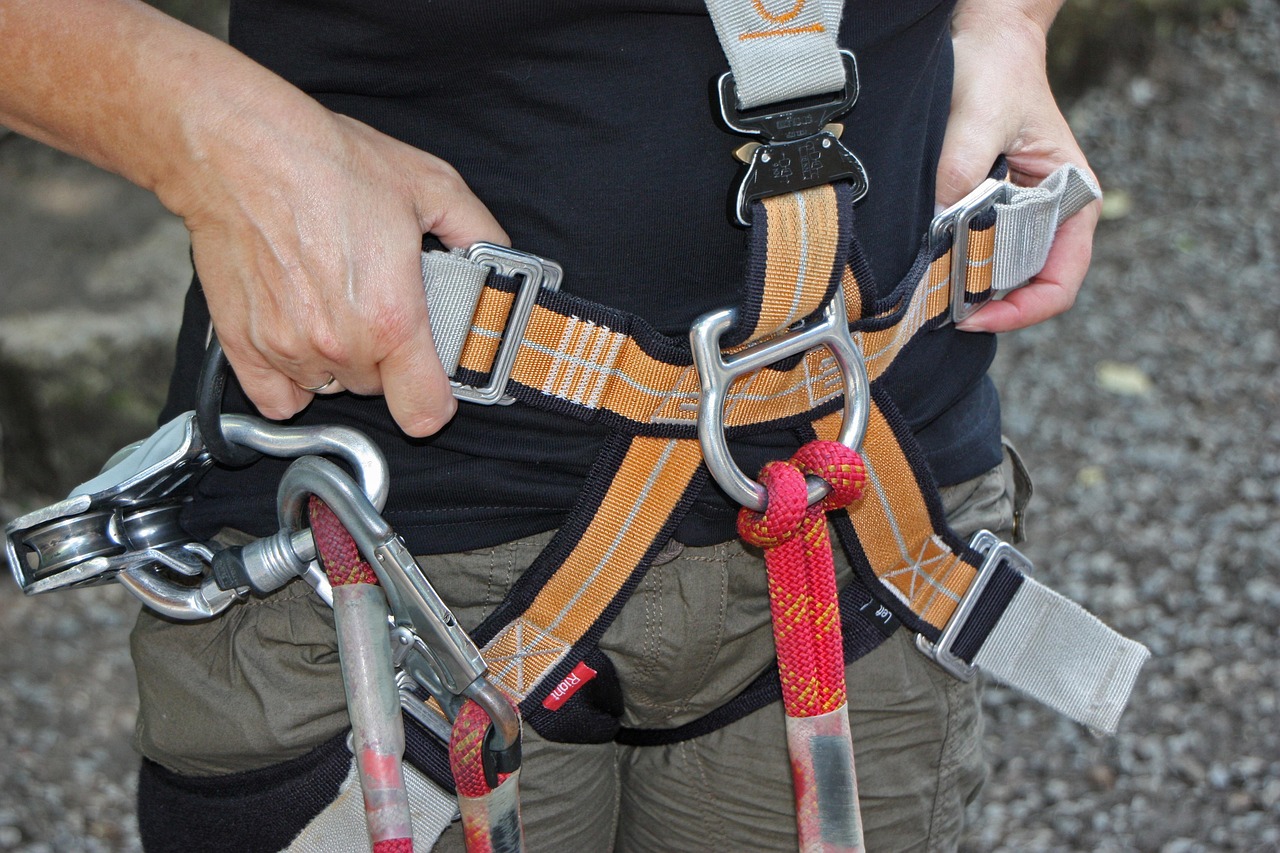
A Single Leg Safety Lanyard is a personal fall‑arrest device that connects a climber or worker to an anchor point with a built‑in shock absorber. TrekkersPK’s 1.8 m lanyard offers a dual‑end design, 32 kN breaking strength, and CE certification, ensuring reliable protection when used correctly. Avoiding typical beginner errors maximizes its safety benefits.
💡 Key Takeaways & Summary
- Choose the right anchor and verify its load capacity before clipping in.
- Follow the correct sequence of harness, lanyard, and connector attachment.
- Inspect the lanyard for wear, damage, or missing parts before every use.
- Understand the lanyard’s 1.8 m length limits to control free‑fall distance.
- Combine the lanyard with compatible gear such as certified carabiners and dynamic rope.
What is a Single Leg Safety Lanyard and why does it matter?

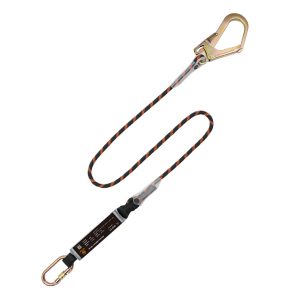
A Single Leg Safety Lanyard is a fall‑arrest system designed for climbers, roofers, and anyone working at height. It features a shock‑absorbing pack, dual‑end connectors, and a 1.8 m length that balances mobility with safety. When used correctly, it dramatically reduces the risk of serious injury from a fall. Check out the full product specifications for details.
Which beginner mistakes compromise safety the most?
New users often overlook small details that can have big consequences. Below are the most common errors and why they matter.
1. Skipping the anchor‑strength check
Many beginners assume any visible bolt or beam will hold the load. In reality, the anchor must support at least 5,000 lb (≈2,268 kg) to match the lanyard’s 32 kN breaking strength. Using a weak anchor can cause the whole system to fail.
2. Reversing the connection order
The proper sequence is: harness → lanyard shock absorber → carabiner → anchor. Attaching the carabiner directly to the harness before the shock absorber defeats the energy‑absorbing function, increasing impact forces.
3. Ignoring the 1.8 m length limitation
While the lanyard feels generous, its length is calibrated to limit free‑fall distance. Stretching beyond the intended range can exceed the designed deceleration, raising injury risk.
4. Using incompatible connectors
Only the supplied 55 mm gate‑open steel hooks or compatible carabiners should be used. Mismatched or low‑grade snap hooks may not lock properly under load.
5. Failing to inspect before each use
Even minor cuts, fraying, or corrosion can compromise the webbing or connectors. A quick visual and tactile check prevents hidden failures.
How can beginners avoid these pitfalls?
Follow this step‑by‑step checklist before every climb or work‑at‑height session.
- Verify the anchor point’s rating (minimum 5,000 lb). Use a Fall Arrest System for added redundancy if unsure.
- Put on a full‑body harness, tightening straps around the chest, waist, and legs.
- Clip the lanyard’s shock‑absorbing pack to the harness’s D‑ring using the supplied carabiner.
- Secure the opposite end of the lanyard to the anchor with the aluminum hook, ensuring it is fully locked.
- Perform a “pull test”: gently tug on the lanyard to confirm all connections are snug.
- Check the webbing for cuts, discoloration, or excessive wear. Replace if any defect is found.
What gear works best with a Single Leg Safety Lanyard?
Pairing the lanyard with high‑quality, compatible equipment enhances overall safety.
- Carabiner Aviation Aluminum Snap Hook – lightweight, strong, and easy to lock.
- High Strength Dynamic Climbing Rope – absorbs shock and reduces impact forces.
- Dyneema Sling: Ultimate Strength – ideal for creating additional anchor points.
- Climbers Rescue Side Swing Aluminium Pulley – useful for rescue scenarios.
Is a Single Leg Safety Lanyard safer than a double‑leg system for beginners?
Both systems meet CE standards, but a single‑leg lanyard is simpler to set up, reducing the chance of connection errors. However, a double‑leg system offers redundancy, which can be valuable in high‑risk environments. Beginners should start with a single‑leg model, master its use, then consider upgrading as experience grows.
How often should the lanyard be inspected and maintained?
Follow a regular schedule:
- Before each use: visual inspection for cuts, abrasion, or corrosion.
- Monthly: pull test the shock absorber (if manufacturer permits) and verify connector operation.
- Annually: send the lanyard to a certified service center for a thorough check.
What are the legal and certification requirements?
The lanyard complies with CE standards EN 355 (personal fall arrest), EN 354 (general requirements), and EN 362 (fall‑arrest devices). Using equipment that meets these standards is often a legal requirement for commercial work at height in many jurisdictions.

What are the most common misconceptions about “free‑fall distance”?
Many think that a longer lanyard always equals more safety. In reality, the lanyard’s length is calibrated so that the shock absorber engages after a short, controlled fall (typically 0.3–0.5 m). Exceeding this distance can overload the absorber and increase injury severity.
How does the shock absorber actually work?
The built‑in energy‑absorbing pack expands under load, converting kinetic energy into heat. This reduces the peak force transmitted to the user and the anchor, keeping impact forces within survivable limits (usually below 6 kN).
What should you do if the lanyard fails a pre‑use inspection?
Immediately remove it from service. Do not attempt repairs yourself; replace it with a new, certified lanyard. Contact TrekkersPK for warranty assistance if the product is within the return period.
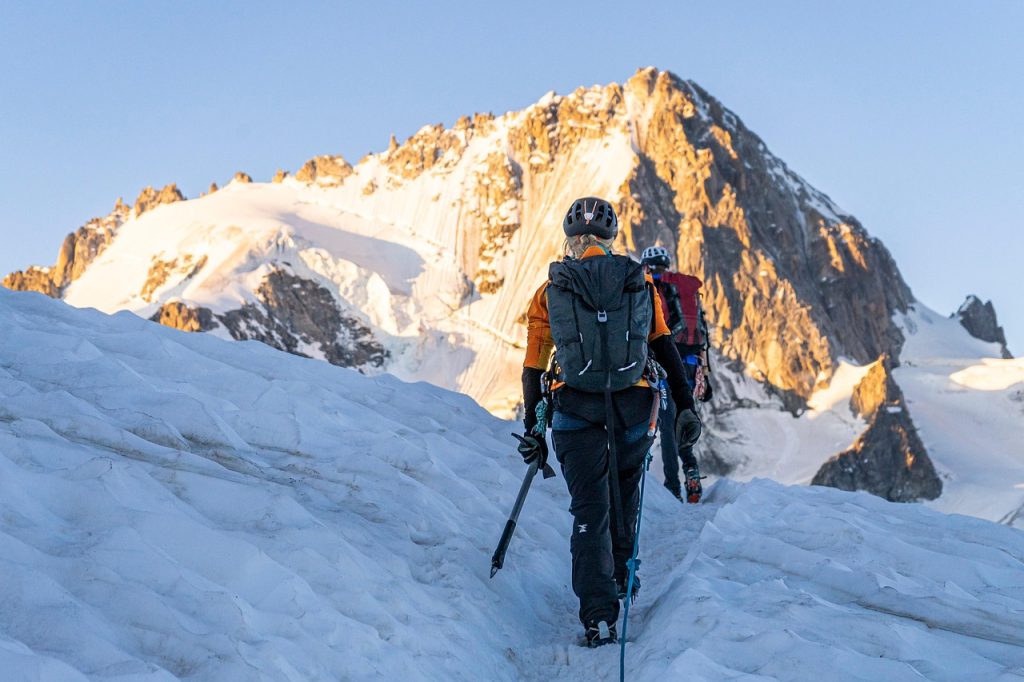
Final checklist before you climb
- Confirm anchor rating (≥5,000 lb).
- Inspect lanyard webbing, hooks, and shock absorber.
- Secure harness and attach lanyard in the correct order.
- Lock all carabiners and hooks firmly.
- Perform a final pull test.
- Stay within the 1.8 m operational radius.
By following these steps, beginners can turn a high‑quality <a href="https://trekkerspk.com/product/single-leg
Frequently asked questions
How should this gear be inspected before each use?
Always inspect all load-bearing points, stitching, gates, and surface wear before each activity. Retire any gear showing excessive abrasion or deformation.
What is the recommended storage routine?
Store equipment in a cool, clean, dry environment away from direct sunlight, extreme heat, and corrosive chemicals.
Who is this gear best suited for?
It is designed for outdoor enthusiasts, climbers, and professionals seeking reliable performance and safety compliance.
Photos via Pixabay (DorianKrauss, UserBot, Alexas_Fotos, dominickvietor)
Explore More Field Protocols
Full Body Safety Harness Features Explained in Simple Terms
A plain‑language guide that breaks down every feature of the Full Body Safety Harness, showing exactly how each part protects you on the climb or job site.
Read Full Guide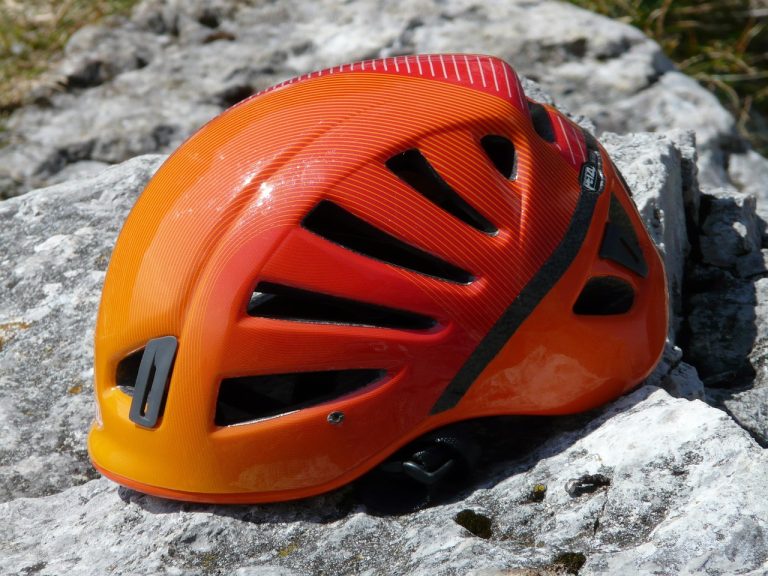
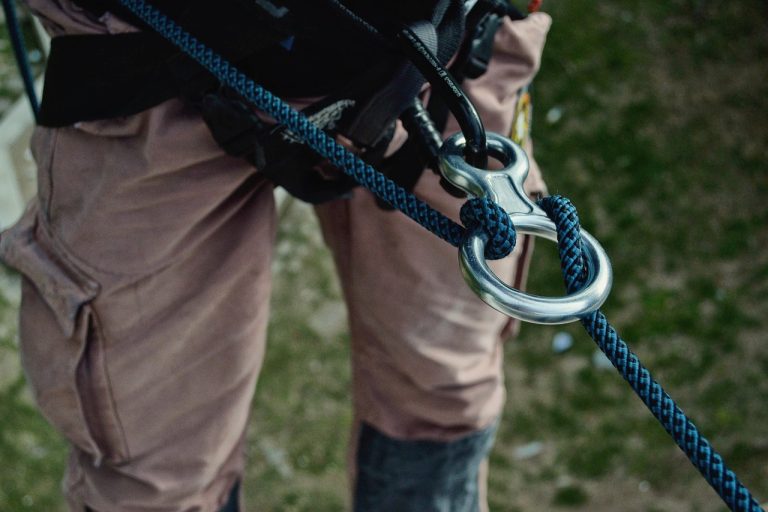
Building a Safe Kit: Fall Arrest System Setup Guide
A step-by-step guide to assembling a reliable fall arrest system kit. Discover how to pair the device with ropes, carabiners, and slings for maximum safety during technical descents.
Read Full Guide