


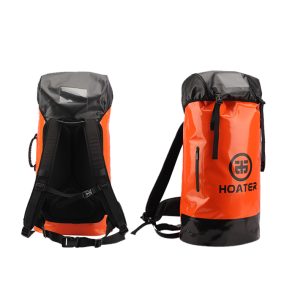
A Durable PVC Mesh Bag is a 45‑liter, water‑resistant mesh sack designed for outdoor adventures, offering breathability and rugged durability. TrekkersPK’s HT‑B03 model combines reinforced stitching, ergonomic straps, and practical pockets, making it a versatile alternative to traditional backpacks, dry sacks, or canvas duffels. Choose it when you need lightweight, ventilated storage that can handle wet gear and heavy loads.
💡 Key Takeaways & Summary
- PVC mesh provides breathability and quick‑dry performance unavailable in solid‑wall backpacks.
- Ergonomic straps and reinforced seams let the bag carry heavy loads comfortably.
- It excels for wet or damp gear, while dry sacks protect items from water but add weight.
What makes a Durable PVC Mesh Bag different from other outdoor bags?

The Durable PVC Mesh Bag is built from heavy‑duty PVC mesh, which gives it a unique combination of strength, flexibility, and airflow. Unlike solid‑wall backpacks or duffels, the mesh lets moisture evaporate quickly, reducing the risk of mold and keeping gear fresh.
Key differences include:
- Material: PVC mesh vs. nylon, canvas, or waterproof fabric.
- Water handling: Water‑resistant and quick‑dry vs. fully waterproof or non‑water‑resistant.
- Weight: Typically lighter than canvas duffels and many dry sacks.
- Accessibility: Large zippered opening and side pockets for quick gear access.
How does the Durable PVC Mesh Bag compare to a traditional backpack?
Backpacks are designed for comfort on the back, with padded frames, hip belts, and multiple compartments. They excel at load distribution for long treks but often trap moisture inside their fabric.
When you compare the two:
If you need a bag that lets wet ropes or damp clothing breathe, the PVC mesh bag wins. For multi‑day backpacking where load distribution matters, a traditional backpack remains superior.
Is a dry sack a better option for keeping gear dry?
Dry sacks are made from fully waterproof fabrics and sealed with roll‑top closures. They keep moisture out completely, making them ideal for protecting electronics or clothing in heavy rain.
However, they have drawbacks:
- They add bulk and weight.
- They trap any moisture that does get inside, which can lead to mildew.
- Opening a dry sack can be slower than the zip on a mesh bag.
Choose a dry sack when absolute waterproofing is essential, such as for a camera or overnight clothing in a rainy season. For most climbing or camping scenarios where you need quick access and ventilation, the Durable PVC Mesh Bag is more practical.
How does a canvas duffel compare in terms of durability?
Canvas duffels are tough, heavy, and often treated with wax for water resistance. They excel at rugged use and can hold a lot of gear, but they are less breathable and heavier than PVC mesh.
Consider a canvas duffel if you:
- Prefer a classic look and rugged feel.
- Carry mostly dry items that don’t need ventilation.
- Don’t mind the extra weight.
For climbers who frequently handle wet ropes or need a lightweight sack that dries fast, the mesh bag’s elasticity and quick‑dry properties give it an edge.
When should you pick the Durable PVC Mesh Bag over other gear?

Here are three common scenarios where the mesh bag shines:
- Climbing trips: Carry ropes, carabiners, and quick‑dry clothing without worrying about mildew.
- Water‑based activities: Pack swimwear or wet gear after a lake swim; the mesh dries in minutes.
- Short to medium camps: Use the 45 L capacity for a one‑night camp where you want one bag instead of multiple.
In contrast, for long treks with heavy loads, a full‑sized backpack with a frame will protect your back better. For ultra‑wet environments where no moisture can be tolerated, a dry sack is the safer bet.
What other gear can complement the Durable PVC Mesh Bag?
Pairing the mesh bag with other high‑quality items can streamline your pack:
- Dyneema Sling – lightweight, high‑strength sling for attaching the bag to a harness.
- Full Body Safety Harness – ensures safety when the bag is used as part of a climbing setup.
- Dyneema Sling Buyer’s Guide: How to Choose the Right One – helps you select the best sling for your needs.
- Side Swing Aluminium Pulley – useful for moving the bag in a haul system.
What safety considerations should you keep in mind?
Even the toughest gear requires proper care. Always inspect the PVC mesh for tears, check the stitching on the straps, and make sure the zip closures function smoothly before each use. Follow the manufacturer’s load limits and never exceed the recommended weight. If you’re using the bag in a climbing scenario, combine it with a certified harness and practice proper rigging techniques.
Final thoughts: Which bag should you buy?
The Durable PVC Mesh Bag offers a sweet spot between breathability, durability, and weight. It outperforms traditional duffels for wet gear and beats dry sacks in convenience and ventilation. However, it doesn’t replace a fully waterproof dry sack or a supportive backpack for multi‑day treks.
Match the bag to your activity:
- Climbing, kayaking, or short camping – Durable PVC Mesh Bag.
- Extended backpacking with heavy loads – traditional backpack.
- Water‑intensive expeditions needing total protection – dry sack.
By understanding each option’s strengths, you can pack smarter, stay comfortable, and protect your gear on every adventure.
⚖️ Quick Verdict & Analysis: Durable PVC Mesh Bag 45L
✓ Pros & Highlights
- Breathable mesh keeps wet gear from staying soggy.
- Lightweight yet strong, handling heavy loads comfortably.
- Ergonomic straps and multiple pockets improve usability.
⚠️ Key Considerations
- Not fully waterproof; heavy rain can still seep in.
- Limited internal organization compared to compartmentalized backpacks.
Frequently asked questions
How should this gear be inspected before each use?
Always inspect all load-bearing points, stitching, gates, and surface wear before each activity. Retire any gear showing excessive abrasion or deformation.
What is the recommended storage routine?
Store equipment in a cool, clean, dry environment away from direct sunlight, extreme heat, and corrosive chemicals.
Who is this gear best suited for?
It is designed for outdoor enthusiasts, climbers, and professionals seeking reliable performance and safety compliance.
Photos via Pixabay (ClarissaBell, dreamypixel, none969, 12019)
Explore More Field Protocols

When to Replace Your Durable PVC Mesh Bag: Signs & Lifespan
Learn the clear signs that your Durable PVC Mesh Bag is past its prime and how long you can expect it to last with proper care.

Lightweight Aluminum Left Hand Ascender FAQs Answered
This article answers the top FAQs about the Lightweight Aluminum Left Hand Ascender, covering safety, performance, and how to choose the right model.
How to Use a Single Leg Safety Lanyard Safely – Step by Step
A detailed, step‑by‑step tutorial shows you how to attach, inspect, and operate a Single Leg Safety Lanyard safely, ensuring maximum protection on the job or the crag.