


A Dyneema Sling is a lightweight, ultra‑durable climbing sling made from high‑strength Dyneema fibers, designed for secure anchoring and rigging. TrekkersPK’s Dyneema Sling offers excellent abrasion, UV, and moisture resistance, making it ideal for a variety‑of climbing applications. Use it correctly by following proper inspection, attachment, and load‑distribution procedures.
💡 Key Takeaways & Summary
- Dyneema provides the highest strength‑to‑weight ratio among common sling materials.
- Low stretch ensures predictable behavior under load, crucial for anchor stability.
- Choose the length (60 cm‑150 cm) that matches the specific anchoring or extension need.
- Regular inspection for abrasion, UV damage, and moisture intrusion prolongs sling life.
- Follow manufacturer guidelines and receive proper training before use.
What is a Dyneema Sling and Why Choose It?
Dyneema slings are sewn loops of ultra‑high‑molecular‑weight polyethylene (UHMWPE) that combine exceptional strength with minimal weight. Their abrasion resistance and UV protection make them reliable for both climbing and rigging tasks.
How Do You Prepare a Dyneema Sling for Use?
Before any climb, take a few minutes to inspect and prepare your sling. Proper preparation reduces the risk of failure.
- Visual Inspection: Look for cuts, fraying, or discoloration. Pay special attention to the stitching and any areas that have contacted rough surfaces.
- Touch Test: Run your fingers along the entire length to feel for hidden abrasions or soft spots.
- Check the Tags: Verify the length printed on the sling matches the intended use (60 cm, 80 cm, 120 cm, or 150 cm).
- Clean If Needed: If the sling is dirty, rinse with lukewarm water and let it air‑dry away from direct sunlight.
For a deeper dive into seasonal considerations, see the Seasonal Tips for Using a Dyneema Sling in Any Terrain article.
How Do You Attach a Dyneema Sling to an Anchor?
Correct attachment is the core of safe anchoring. Follow these steps to create a reliable anchor point.
- Select a Strong Anchor: Choose natural features such as a solid rock horn, a sturdy tree trunk, or a fixed bolt.
- Loop the Sling: Pass one end of the sling around the anchor and bring it back to form a closed loop.
- Secure the Knot: Tie a figure‑eight follow‑through or a double fisherman’s knot, ensuring the knot lies flat against the sling material.
- Check the Load Path: Make sure the sling’s direction aligns with the anticipated load to avoid sideways forces.
- Test the Anchor: Gently pull on the sling to confirm it holds without slipping.
For visual learners, the Dyneema Sling Buyer’s Guide: How to Choose the Right One provides helpful diagrams of common knot configurations.
When Should You Use Different Sling Lengths?
The length you choose influences both comfort and safety. Here’s a quick guide:
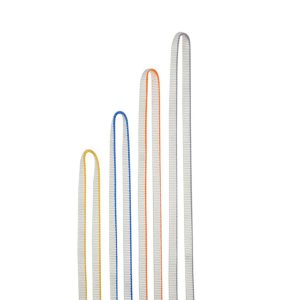
- 60 cm: Ideal for close‑body anchors, quickdraw extensions, or when space is limited.
- 80 cm: Works well for moderate extensions and as a backup for belay stations.
- 120 cm: Suitable for extending anchors over irregular terrain or creating equalized systems.
- 150 cm: Best for long‑reach applications, such as building a hanging belay or connecting distant protection.
How Do You Create a Simple Anchor Using a Dyneema Sling?
Below is a step‑by‑step method to build a reliable anchor for sport or trad climbing.
- Identify two solid, independent pieces of protection (e.g., cams, nuts, or natural features).
- Thread the Dyneema Sling through each piece, forming a “V” shape.
- Tie a figure‑eight knot at the apex where the two legs meet, creating a master point.
- Clip a carabiner to the master point and attach your belay device.
- Load‑test the anchor by applying weight gradually before committing to the climb.
Complementary gear such as a Carabiner Aviation Aluminum Snap Hook can be used for quick adjustments.

What Maintenance Practices Extend the Life of Your Dyneema Sling?
Even the toughest materials benefit from regular care.
- Store Dry: Keep slings in a breathable bag away from moisture.
- Avoid Prolonged Sun Exposure: Although UV‑resistant, extended sunlight can eventually degrade fibers.
- Rotate Gear: Use multiple slings in rotation to distribute wear evenly.
- Replace When Damaged: Any sign of cut fibers, broken stitching, or significant abrasion warrants replacement.
How Can You Use a Dyneema Sling for Rigging Beyond Climbing?
The high strength‑to‑weight ratio makes Dyneema slings valuable for rescue, hauling, and even campsite setups.
Examples include:
- Creating a low‑profile anchor for a rescue pulley system (Climbers Rescue Side Swing Aluminium Pulley).
- Securing a tarp or hammock with minimal bulk.
- Extending a fall‑arrest system using the Fall Arrest System kit.
Is It Safe to Use a Dyneema Sling in Wet Conditions?
Yes. Dyneema’s water‑repellent properties maintain strength even when wet, but always dry the sling before storage to prevent prolonged moisture exposure.
What Common Mistakes Should You Avoid?
Even experienced climbers can slip up. Watch out for these pitfalls:
- Using a sling that is too short for the intended extension, leading to excessive force on the anchor.
- Neglecting to double‑check knots before loading.
- Relying on a single sling for a critical anchor without redundancy.
Where Can You Purchase a Reliable Dyneema Sling?
TrekkersPK offers a range of Dyneema Sling sizes at a competitive price. Explore the options and buy directly from the natural anchor product page.
Conclusion: Key Points to Remember
Using a Dyneema Sling correctly hinges on proper inspection, selecting the right length, mastering attachment knots, and regular maintenance. By following this guide, you’ll enhance both safety and performance on every climb or rigging task.
⚖️ Quick Verdict & Analysis: Dyneema Sling: Ultimate Strength
✓ Pros & Highlights
- Exceptional strength‑to‑weight ratio reduces pack load.
- Minimal stretch provides predictable load handling.
- Superior abrasion, UV, and moisture resistance extends service life.
⚠️ Key Considerations
- Higher cost compared to traditional nylon slings.
- Very low stretch can feel less forgiving in dynamic falls.
Frequently asked questions
How often should I inspect my Dyneema Sling?
Perform a visual and tactile inspection before every climb and a more thorough check monthly, looking for cuts, fraying, or compromised stitching.
Can I use a Dyneema Sling as a replacement for a rope in a rescue haul?
Yes, for static loads and short hauls, but never replace a dynamic rope in situations where shock absorption is required.
What knot is best for tying a Dyneema Sling to an anchor?
A figure‑eight follow‑through or a double fisherman’s knot are both reliable and easy to inspect.
Does the sling’s length affect its load capacity?
Load capacity is based on material strength, not length; however, longer slings may experience more friction on rough surfaces.
Are Dyneema slings compatible with all carabiner types?
They work with most carabiners, but ensure the carabiner’s gate and shape accommodate the sling’s thickness without excessive wear.
Photos via Pixabay (son_vietnamese, stephennorris, Takmeomeo, schuetz-mediendesign)
Explore More Field Protocols
When to Replace Your Durable PVC Mesh Bag: Signs & Lifespan
Learn the clear signs that your Durable PVC Mesh Bag is past its prime and how long you can expect it to last with proper care.
Lightweight Aluminum Left Hand Ascender FAQs Answered
This article answers the top FAQs about the Lightweight Aluminum Left Hand Ascender, covering safety, performance, and how to choose the right model.
How to Use a Single Leg Safety Lanyard Safely – Step by Step
A detailed, step‑by‑step tutorial shows you how to attach, inspect, and operate a Single Leg Safety Lanyard safely, ensuring maximum protection on the job or the crag.