


A Dyneema Sling is a lightweight, ultra‑durable climbing sling made from high‑strength Dyneema fibers, offering low stretch and excellent UV resistance. TrekkersPK’s Dyneema Sling provides reliable anchor points and secure rigging for a range of outdoor applications.
💡 Key Takeaways & Summary
- Choose length based on anchor proximity and intended rigging use.
- Prioritize abrasion resistance and UV protection for long‑term durability.
- Inspect regularly for cuts, fraying, or UV damage before every climb.
What is a Dyneema Sling and why is it popular among climbers?
Dyneema is a brand‑name ultra‑high‑molecular‑weight polyethylene known for its exceptional strength‑to‑weight ratio. A Dyneema Sling combines this material with a sewn webbing design to create a low‑profile, high‑strength anchor that resists abrasion, moisture, and UV degradation.
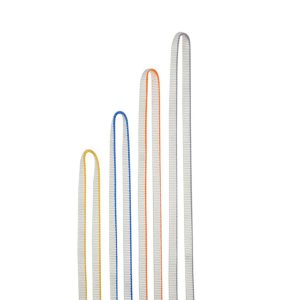
TrekkersPK offers the Dyneema Sling in four convenient lengths, each designed for specific climbing and rigging scenarios. Whether you need a compact 60 cm sling for a tight belay or a 150 cm extension for a complex anchor, the product delivers consistent performance.
For a quick look at the product page, see the natural anchor description.
How do you choose the right length for your Dyneema Sling?
The length you select determines how the sling will interact with your anchor system and gear. Selecting the appropriate size helps you maintain a low profile while ensuring enough reach for safe extensions.
- 60 cm (2 ft): Ideal for close‑in anchors, personal harness loops, or quick‑draw replacements.
- 80 cm (2.6 ft): Works well for moderate extensions and tying off to carabiners without excess slack.
- 120 cm (4 ft): Suitable for extending anchors, creating equalized systems, or attaching gear at a distance.
- 150 cm (5 ft): Best for long‑reach rigging, rescue scenarios, or building complex anchor networks.
Consider the typical distance between your anchor points and the equipment you need to connect. A good rule of thumb is to choose a sling that is at least 20 % longer than the shortest distance you anticipate.
What other factors influence length selection?
- Terrain geometry – steep or overhanging routes may require longer slings to avoid rope drag.
- Gear configuration – larger cams or nuts may need extra length for proper placement.
- Weight considerations – shorter slings weigh less, helping you keep the overall pack weight low.
What key features should you evaluate when buying a Dyneema Sling?
Beyond length, several performance attributes determine the suitability of a Dyneema Sling for your needs.
When comparing slings, also look at the stitching quality and the type of weave used. Double‑stitched seams and a tight, uniform weave add extra safety margins.

How to inspect and maintain your Dyneema Sling for safety?
Regular inspection is essential to catch wear before it compromises your system.
- Check the webbing for cuts, fraying, or discoloration caused by UV exposure.
- Run your fingers along the stitching; any loose or broken threads should prompt replacement.
- Inspect the ends for wear where the sling meets carabiners or knots.
- Wash gently with mild soap if the sling becomes dirty, then air‑dry away from direct sunlight.
If you notice any damage, retire the sling immediately. Dyneema’s high performance does not eliminate the need for diligent care.
When is a Dyneema Sling the best choice over other slings?
Dyneema slings excel in scenarios where weight, durability, and low stretch are critical. For example:
- Alpine climbs with long approaches where every gram counts.
- Rescue operations requiring reliable extensions that won’t elongate under load.
- High‑UV environments such as desert or tropical routes where nylon would degrade faster.
If you prioritize cost over weight or need a very stretchy sling for dynamic loading, a traditional nylon sling might be more appropriate.
What complementary gear should you pair with a Dyneema Sling?
Combining the sling with compatible hardware enhances safety and functionality.
- Carabiner Aviation Aluminum Snap Hook – lightweight carabiner that matches the sling’s low profile.
- High Strength Dynamic Climbing Rope – provides the main line for belaying while the sling secures anchors.
- Fall Arrest System – integrates with the sling for industrial or rescue use.
- Climbers Rescue Side Swing Aluminium Pulley – useful for extending anchor systems with the sling.
How to use a Dyneema Sling in a typical anchor setup?
Follow these steps for a secure, equalized anchor:
- Identify two solid anchor points (e.g., natural rock features or bolts).
- Wrap the chosen Dyneema Sling around each point, ensuring the webbing sits flat and is not twisted.
- Thread a carabiner through the sling’s loop and lock it.
- Attach your climbing rope to the carabiner, checking for proper orientation.
- Load the anchor gently to confirm that the sling distributes force evenly.
This simple method works with any of the four length options, adapting to the geometry of the climb.

What are the most common mistakes to avoid with Dyneema Slings?
Frequently asked questions
How should this gear be inspected before each use?
Always inspect all load-bearing points, stitching, gates, and surface wear before each activity. Retire any gear showing excessive abrasion or deformation.
What is the recommended storage routine?
Store equipment in a cool, clean, dry environment away from direct sunlight, extreme heat, and corrosive chemicals.
Who is this gear best suited for?
It is designed for outdoor enthusiasts, climbers, and professionals seeking reliable performance and safety compliance.
Photos via Pixabay (BlackPowder75, schuetz-mediendesign, 3844328, Nile)
Explore More Field Protocols
When to Replace Your Durable PVC Mesh Bag: Signs & Lifespan
Learn the clear signs that your Durable PVC Mesh Bag is past its prime and how long you can expect it to last with proper care.
Lightweight Aluminum Left Hand Ascender FAQs Answered
This article answers the top FAQs about the Lightweight Aluminum Left Hand Ascender, covering safety, performance, and how to choose the right model.
How to Use a Single Leg Safety Lanyard Safely – Step by Step
A detailed, step‑by‑step tutorial shows you how to attach, inspect, and operate a Single Leg Safety Lanyard safely, ensuring maximum protection on the job or the crag.