

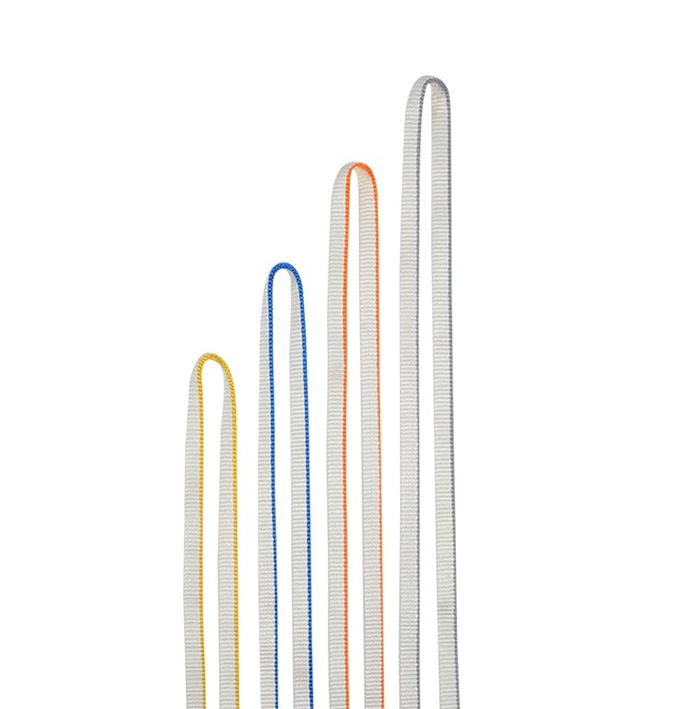
A Dyneema Sling is a lightweight, ultra‑durable climbing sling made from high‑strength Dyneema fibers, offering low stretch, UV resistance, and moisture repellency. TrekkersPK’s Dyneema Sling performs reliably in hot, cold, wet, and high‑altitude environments when used according to manufacturer guidelines.
💡 Key Takeaways & Summary
- Dyneema’s low stretch and high strength‑to‑weight ratio make it ideal for both anchor building and gear extensions.
- UV and moisture resistance let the sling retain its performance from desert heat to alpine snow.
- Choosing the correct length (60 cm‑150 cm) tailors the sling to specific terrain and weather demands.
What makes a Dyneema Sling suitable for all seasons?
Dyneema fibers combine exceptional abrasion resistance with natural UV protection and water‑repellent properties. This means the sling can endure prolonged sun exposure, rain, snow, and even sub‑zero temperatures without significant loss of strength.

How does a Dyneema Sling perform in hot, sunny weather?
When the sun beats down on a rock face, many ropes and slings can soften or lose grip. Dyneema’s inherent UV resistance keeps the material from degrading, so the sling remains as strong after weeks of exposure as it was on day one.
- UV protection: The fibers block harmful rays, preventing brittleness.
- Heat tolerance: Dyneema retains its tensile strength up to 120 °C, far beyond typical climbing temperatures.
- Low stretch: Minimal elongation ensures stable anchors even when the sun softens surrounding rock.
For sunny routes, pair the sling with a Carabiner Aviation Aluminum Snap Hook to maintain a low‑profile, secure connection.
What precautions are needed when using a Dyneema Sling in cold or snowy environments?
Cold weather can make any material feel stiffer, but Dyneema’s performance is largely unaffected. However, ice can create slick surfaces that reduce friction.
- Inspect the sling for any frost‑cracks before each use.
- Wrap the sling around a rock edge or natural feature to increase friction, rather than relying solely on the knot.
- Consider using a longer length (120 cm or 150 cm) to create a more robust anchor that distributes load.
When climbing in snow, a Climbers Rescue Side Swing Aluminium Pulley can help manage rope movement while the sling holds the anchor.
Can a Dyneema Sling handle wet or rainy conditions?
Dyneema’s water‑repellent nature means it does not absorb moisture, preserving its strength even when soaked. This is especially valuable for waterfall climbs or alpine approaches where spray is constant.
- Moisture resistance: No swelling or loss of tensile strength when wet.
- Predictable stretch: Low elongation helps maintain anchor geometry under dynamic loads.
- Easy drying: The sling can be shaken out and packed without lingering dampness.
Combine the sling with a High Strength Dynamic Climbing Rope for a complete wet‑weather system.
Which Dyneema Sling length is best for varied terrain?
Choosing the right length balances convenience with safety. Below is a quick reference:
For multi‑day treks where gear weight matters, the 80 cm sling offers a sweet spot between versatility and minimal bulk.
How to attach a Dyneema Sling to a natural anchor safely?
Proper attachment is the cornerstone of a secure system. Follow these steps:
- Identify a solid, load‑bearing feature such as a horn, chockstone, or sturdy tree.
- Loop the sling around the feature, ensuring the knot (e.g., figure‑eight) sits away from sharp edges.
- Dress the knot, pull tight, and double‑check that the sling lies flat with no twists.
- Clip a carabiner (preferably a locking type) through the sling’s eye and attach your rope or gear.
For a visual guide, see the natural anchor product page.
What are the maintenance tips for year‑round reliability?
Even the toughest slings need periodic care:
- Regular inspection: Look for cuts, fraying, or UV‑bleached spots.
- Cleaning: Rinse with mild soap and lukewarm water after muddy climbs; air‑dry before storage.
- Storage: Keep in a cool, dry place away from direct sunlight to extend lifespan.
When planning a rescue or fall‑arrest scenario, pairing the sling with a Fall Arrest System adds an extra layer of safety.
Conclusion: Why the Dyneema Sling is a year‑round essential
From scorching deserts to icy peaks, the Dyneema Sling delivers consistent strength, low stretch, and durability. Its range of lengths lets you adapt to any terrain, while its UV and moisture resistance mean you’ll spend less time worrying about gear degradation. Trust TrekkersPK’s Dyneema Sling to be a reliable component of your climbing and rigging kit, no matter the season.

⚖️ Quick Verdict & Analysis: Dyneema Sling: Ultimate Strength
✓ Pros & Highlights
- Unmatched abrasion and UV resistance ensures longevity in harsh environments.
- High strength‑to‑weight ratio keeps the pack light without sacrificing safety.
- Low stretch provides predictable anchor behavior under load.
⚠️ Key Considerations
- Limited stretch may feel stiff for beginners used to more elastic slings.
- Shorter lengths (60 cm) can be too restrictive for complex anchor setups.
Frequently asked questions
Can I use a Dyneema Sling for rappelling?
Yes, the low stretch and high strength make it suitable for short rappels, but for long descents a dedicated rappel sling is recommended.
How often should I replace my Dyneema Sling?
Inspect it after every climb; replace if you notice cuts, UV‑bleached spots, or significant abrasion, typically every 2–3 years of heavy use.
Is the Dyneema Sling compatible with all carabiner types?
It works with most carabiners, but locking carabiners provide added security, especially in dynamic situations.
Does the sling shrink when exposed to cold?
Dyneema has minimal thermal expansion; it retains its dimensions and strength even in sub‑zero temperatures.
What knot is best for securing a Dyneema Sling to a rock?
A figure‑eight follow‑through or a double‑overhand knot are reliable choices that distribute load evenly.
Photos via Pixabay (Laura_Kuhn)
Explore More Field Protocols
Left Hand Ascender Guide: Safe Step‑by‑Step Use
A concise, step‑by‑step tutorial showing how to attach, operate, and inspect the Lightweight Aluminum Left Hand Ascender for safe rope climbing.

High Strength Dynamic Climbing Rope Pre‑Trip Safety Checklist
A thorough pre‑trip safety checklist that puts your dynamic climbing rope at the center of preparation, helping you avoid common mistakes before you hit the rock.
Common Beginner Mistakes with a Single Leg Safety Lanyard
Discover common errors new users make with a Single Leg Safety Lanyard and practical steps to prevent accidents.